
Artistic vs. Rhythmic Gymnastics: What's the Difference and Which Is Right for Your Child?
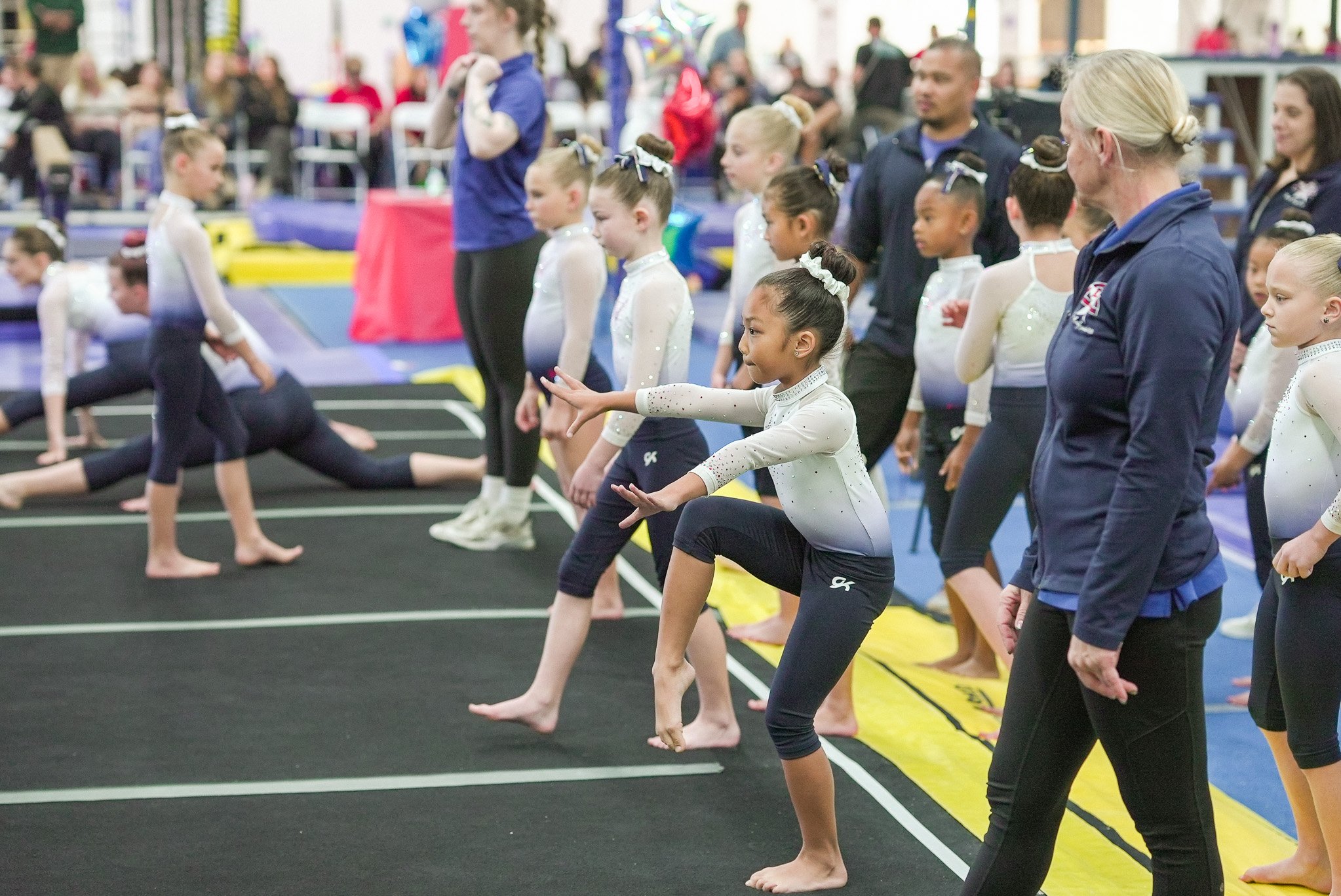
If you're searching for rhythmic gymnastics near me or trying to understand the difference between artistic vs. rhythmic gymnastics, you're not alone. Many parents discover gymnastics through viral rhythmic routines featuring ribbons, hoops, and music, then wonder how those programs compare to the gymnastics programs offered at most gyms.
At Gyminny Kids, we believe informed parents make confident decisions. This guide breaks down the differences between artistic gymnastics and rhythmic gymnastics, explains the benefits of each, and helps you decide which path best fits your child.
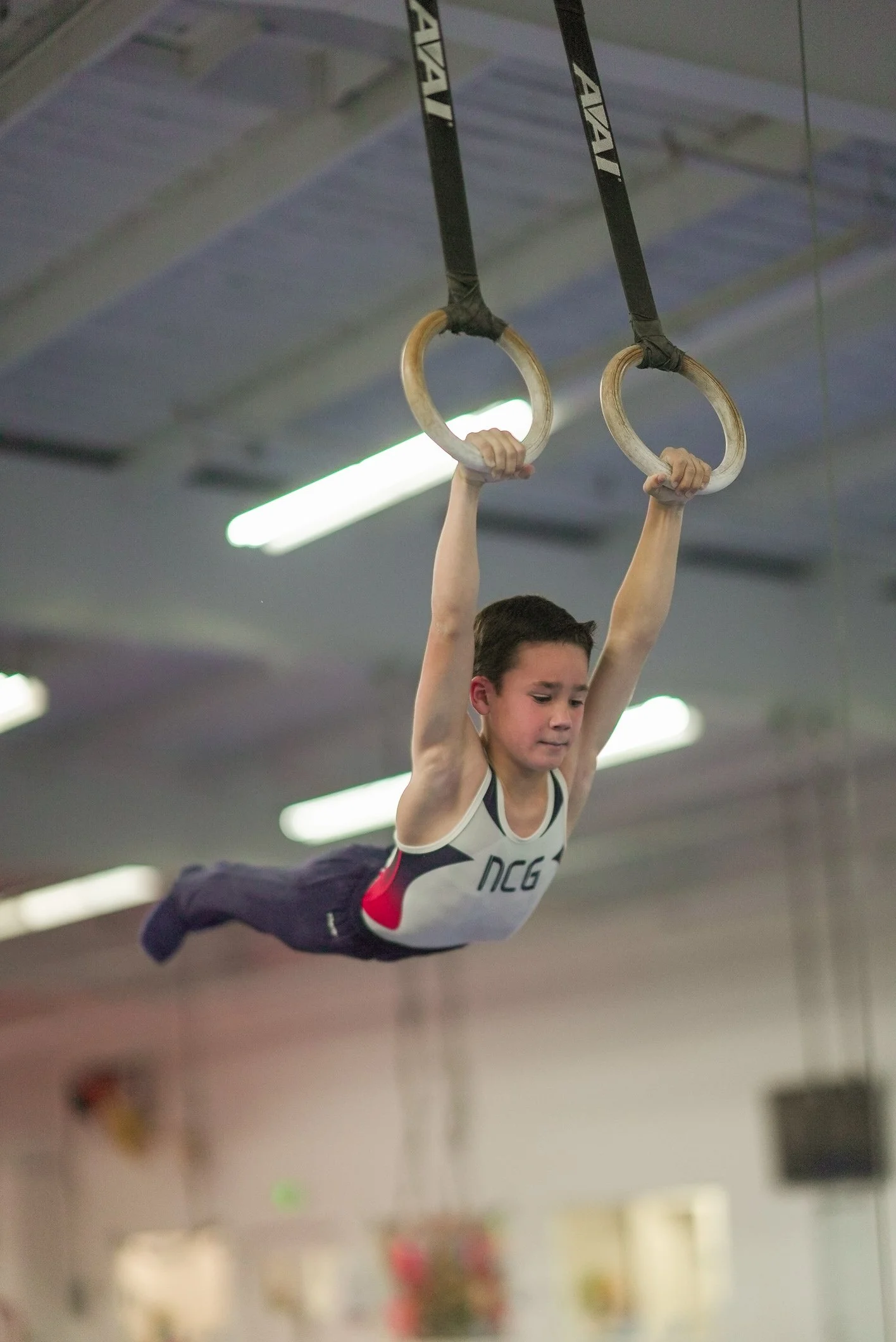
Artistic gymnastics is the most common and widely offered form of gymnastics in the United States. It focuses on strength, coordination, flexibility, discipline, and confidence through dynamic physical movement.
Artistic Gymnastics Events
Girls
Vault
Uneven Bars
Balance Beam
Floor Exercise
Boys
Floor
Pommel Horse
Rings
Vault
Parallel Bars
High Bar
Why Parents Love Artistic Gymnastics
Builds full-body strength and athleticism
Improves focus, discipline, and confidence
Strong foundation for all sports
Offers recreational, competitive, and collegiate pathways
Artistic gymnastics is ideal for energetic kids who love climbing, jumping, flipping, and challenging themselves physically.
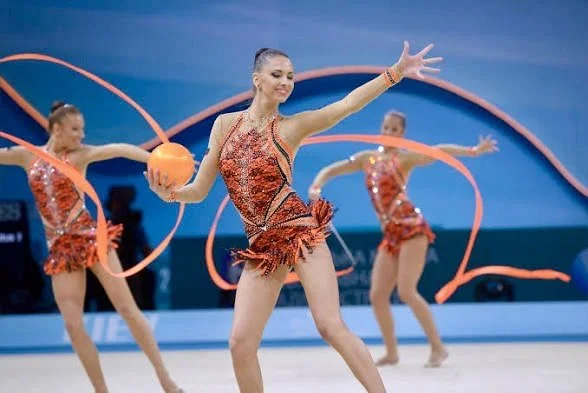
Rhythmic gymnastics blends dance, flexibility, and apparatus manipulation into choreographed routines performed to music. It is typically practiced by girls and emphasizes artistry, grace, and precision.
Rhythmic Gymnastics Apparatus
Ribbon
Hoop
Ball
Clubs
Rope
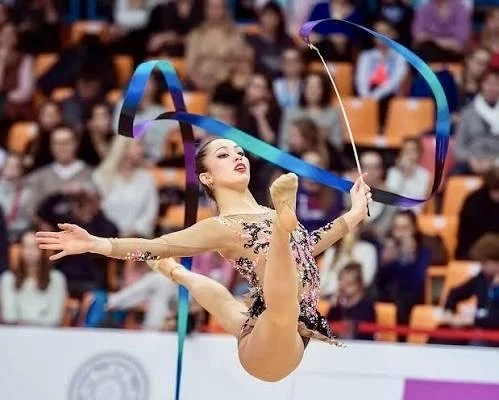
Key Characteristics of Rhythmic Gymnastics
Dance-focused and expressive
Heavy emphasis on flexibility
Choreography performed to music
Smaller presence in the U.S. compared to artistic gymnastics
Rhythmic gymnastics is perfect for children who enjoy dance, ballet, and musical movement more than explosive power or acrobatics.
Artistic vs. Rhythmic Gymnastics: Side-by-Side Comparison
Which Type of Gymnastics Is Best for My Child?
There's no "better" option; it's just what fits your child best.
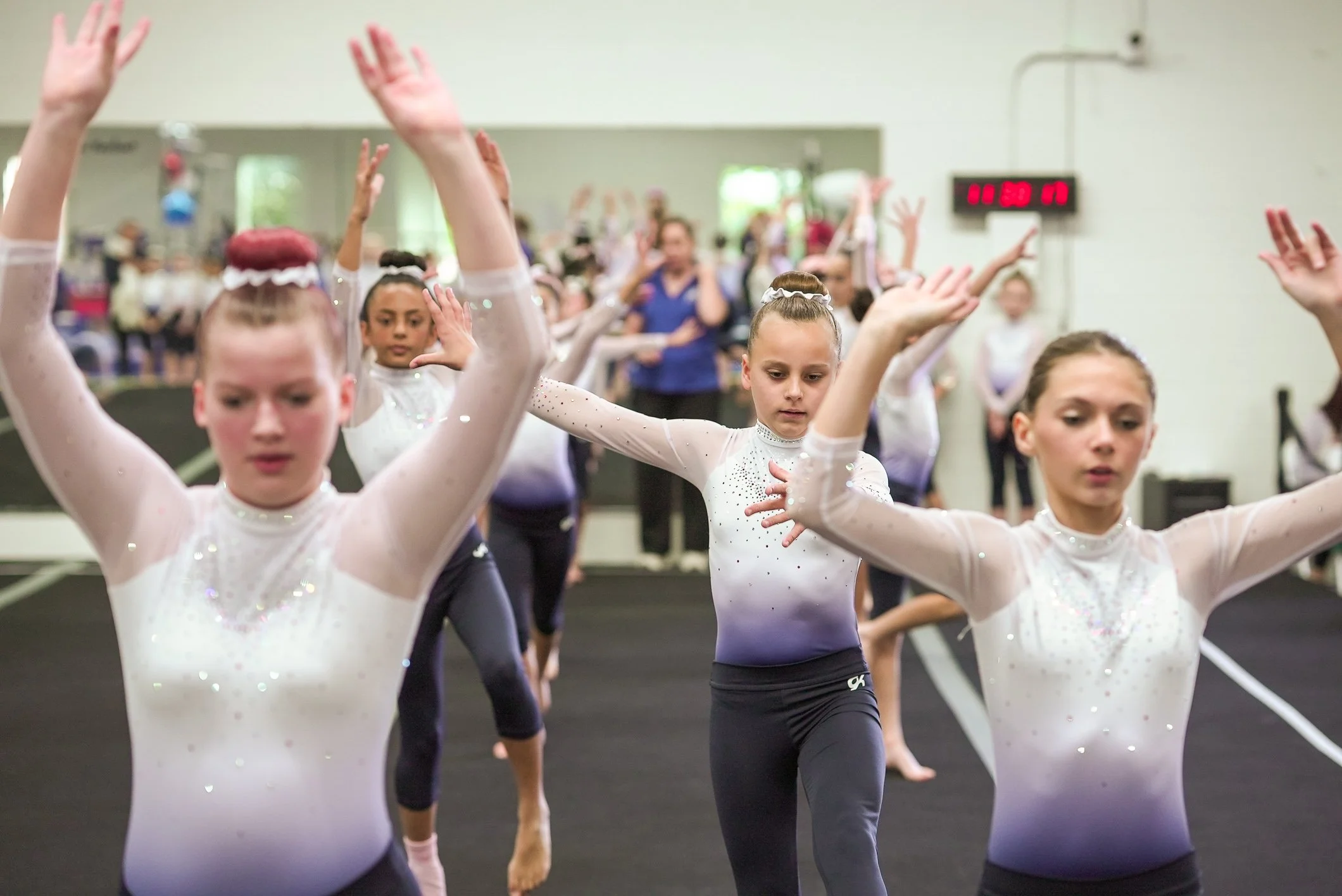
Artistic Gymnastics May Be Best If Your Child:
Loves climbing, flipping, and physical challenges
Has high energy
Enjoys obstacle-style movement
Wants broad athletic development
Rhythmic Gymnastics May Be Best If Your Child:
Loves dance and music
Enjoys expressive movement
Has exceptional flexibility
Prefers choreography over acrobatics
Important Note for San Diego Families:
Rhythmic gymnastics programs are less common locally. Many families searching for rhythmic gymnastics ultimately choose artistic gymnastics once they understand the benefits and availability.
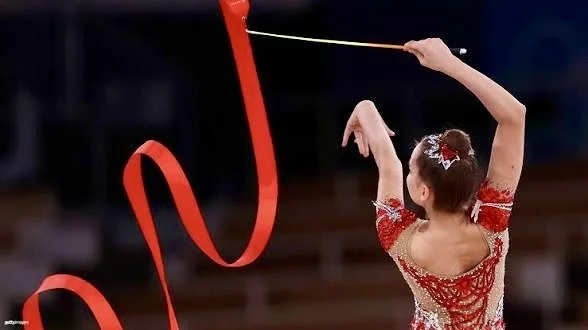
Can Artistic Gymnastics Help Rhythmic Gymnasts?
Absolutely.
Many rhythmic gymnasts cross-train in artistic gymnastics to build:
Strength and power
Injury resistance
Coordination and balance
Confidence under pressure
Artistic gymnastics provides a strong physical base that benefits all movement-based sports.
Does Gyminny Kids Offer Rhythmic Gymnastics?
At this time, Gyminny Kids specializes in artistic gymnastics, offering programs for:
Toddlers & preschoolers
Recreational gymnastics
Parkour-inspired Ninja & athletic movement programs
Tumbling
While we do not currently offer rhythmic gymnastics, many families who initially search for rhythmic discover that artistic gymnastics delivers broader athletic, developmental, and long-term benefits, especially for young children.
Artistic vs. Rhythmic Gymnastics Comparison
Artistic gymnastics and rhythmic gymnastics differ significantly in their equipment, physical demands, and long-term opportunities. Artistic gymnastics uses traditional apparatus such as bars, balance beam, vault, and rings, while rhythmic gymnastics focuses on handheld equipment, including ribbon, hoop, ball, and clubs. From a physical standpoint, artistic gymnastics emphasizes strength, power, agility, and full-body athletic development, whereas rhythmic gymnastics prioritizes flexibility, grace, rhythm, and expressive movement.
Music plays a limited role in artistic gymnastics, used only during girls' floor routines, while rhythmic gymnastics routines are performed entirely to music as part of the choreography. In the United States, artistic gymnastics is widely available and offered at most gymnastics facilities, while rhythmic gymnastics programs are far more limited and harder to find. Artistic gymnastics also offers significantly more collegiate opportunities, including NCAA programs for both men and women, whereas college pathways in rhythmic gymnastics are limited. Finally, artistic gymnastics is practiced by both boys and girls, while rhythmic gymnastics is primarily offered to girls.
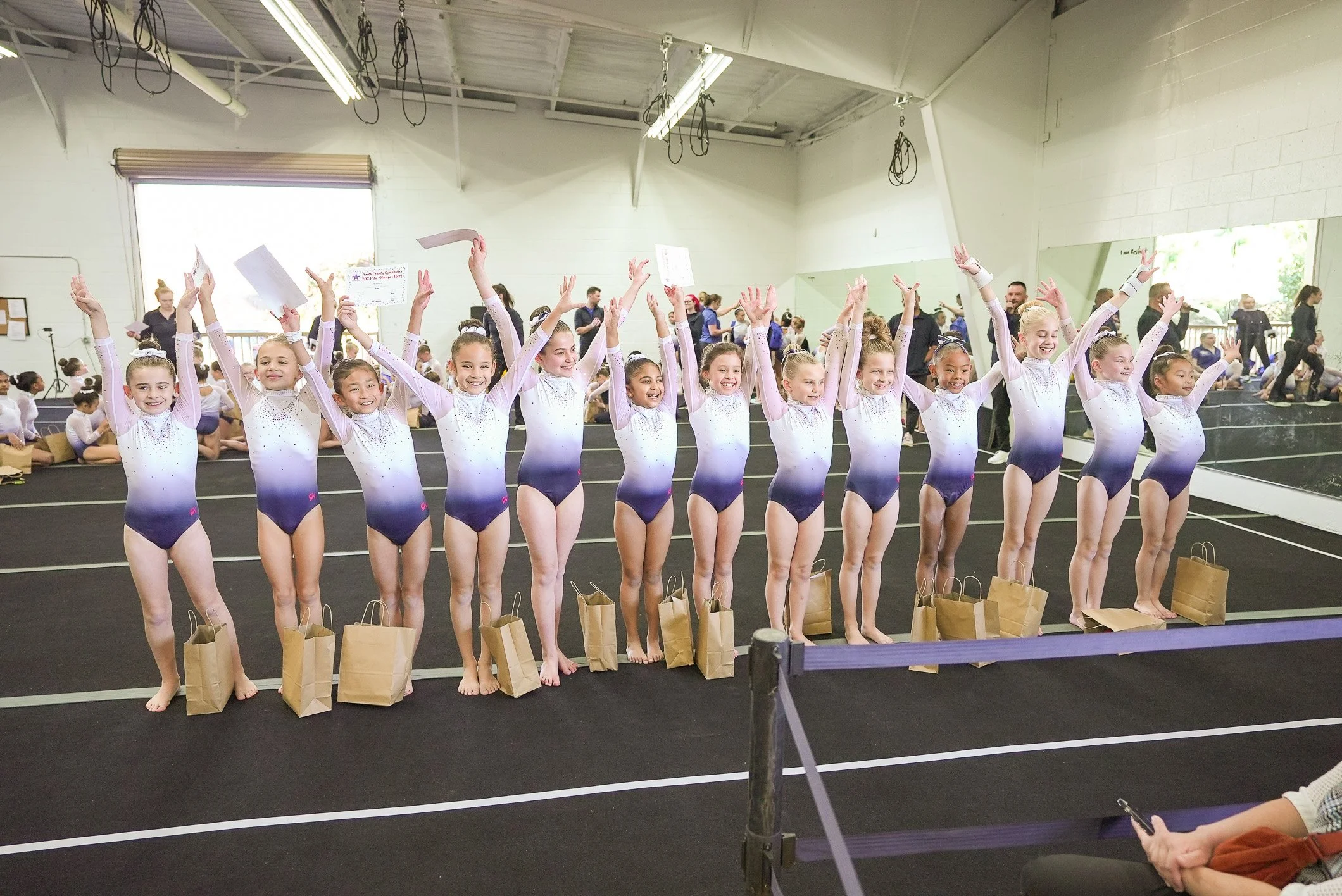
Why Families Across San Diego Choose Gyminny Kids
Families choose Gyminny Kids because we focus on more than gymnastics.
- Professional, career coaches
- Clean, modern facilities
- Age-appropriate progressions
- Emphasis on confidence, character, and fun
- Programs designed for long-term growth, not burnout
Our mission is simple: Fun & Fitness while building character through sport.
Looking for Gymnastics Near You?
If you're exploring artistic vs. rhythmic gymnastics and want a trusted, high-quality gymnastics program in San Diego, we'd love to help you get started.
Schedule a trial class at Gyminny Kids
Tour one of our San Diego locations
Find out why Gyminny Kids is San Diego's Best Gymnastics School
Frequently Asked Questions About Artistic vs. Rhythmic Gymnastics
What is the difference between artistic and rhythmic gymnastics?
Is rhythmic gymnastics available near me in San Diego?
Rhythmic gymnastics programs are less common in San Diego and are typically offered at specialized clubs or dance-based studios. Many families who initially search for rhythmic gymnastics near them ultimately choose artistic gymnastics because of its availability, broader athletic benefits, and clearer long-term pathways.
Which type of gymnastics is better for beginners?
For most beginners, especially young children, artistic gymnastics is the best starting point. It builds full-body strength, coordination, balance, and confidence while teaching foundational movement skills that support all sports and physical activities. Rhythmic gymnastics is often better suited to children with a strong dance or ballet background.
Can boys do rhythmic gymnastics?
Rhythmic gymnastics is primarily offered to girls in the United States, and competitive opportunities for boys are minimal. Artistic gymnastics, on the other hand, is widely available for both boys and girls and offers recreational, competitive, and collegiate pathways.
Is artistic gymnastics too intense for young kids or toddlers?
No. Artistic gymnastics programs for toddlers and preschoolers are designed to be age-appropriate, fun, and developmentally focused. Classes emphasize safe movement, coordination, listening skills, and confidence rather than competition or high-level skills.
Can artistic gymnastics help children who want to do dance or rhythmic gymnastics later?
Yes. Many dancers and rhythmic gymnasts cross-train in artistic gymnastics to build strength, balance, coordination, and injury resistance. Artistic gymnastics provides a strong physical foundation that supports success in dance, cheer, rhythmic gymnastics, and other movement-based sports.
Which gymnastics style has more long-term opportunities?
Artistic gymnastics offers significantly more long-term opportunities in the United States, including recreational programs, competitive teams, and collegiate pathways through NCAA programs. Rhythmic gymnastics opportunities are more limited, particularly at the collegiate level.
How do I know which gymnastics program is right for my child?
The best gymnastics program depends on your child's personality, interests, and energy level. Children who enjoy climbing, flipping, and physical challenges often thrive in artistic gymnastics, while children who prefer dance, music, and expressive movement may be drawn to rhythmic gymnastics. A trial class is the best way to see what fits.