
How Gymnastics Builds Character: Teaching Perseverance, Respect, and Gratitude Through Sport
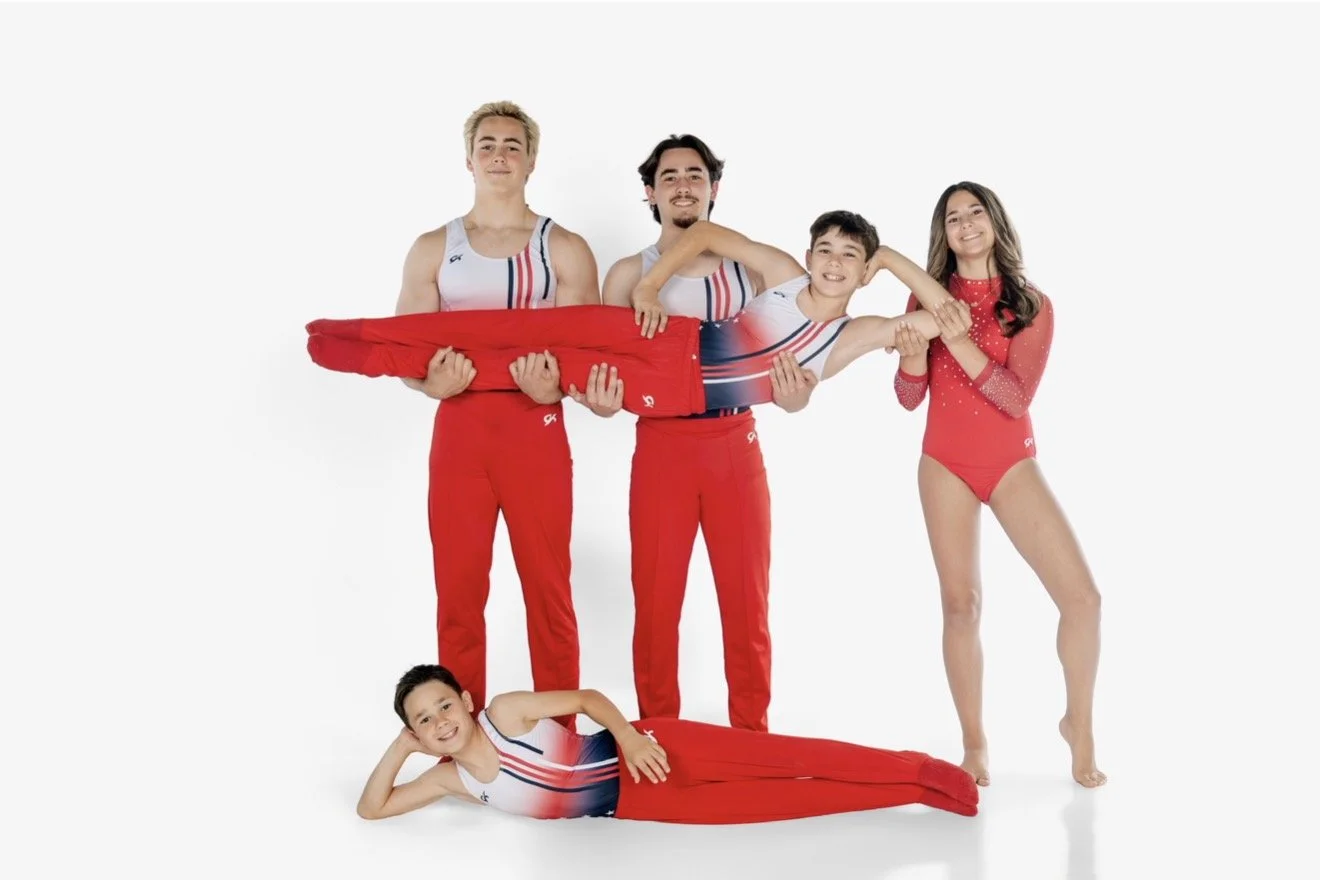
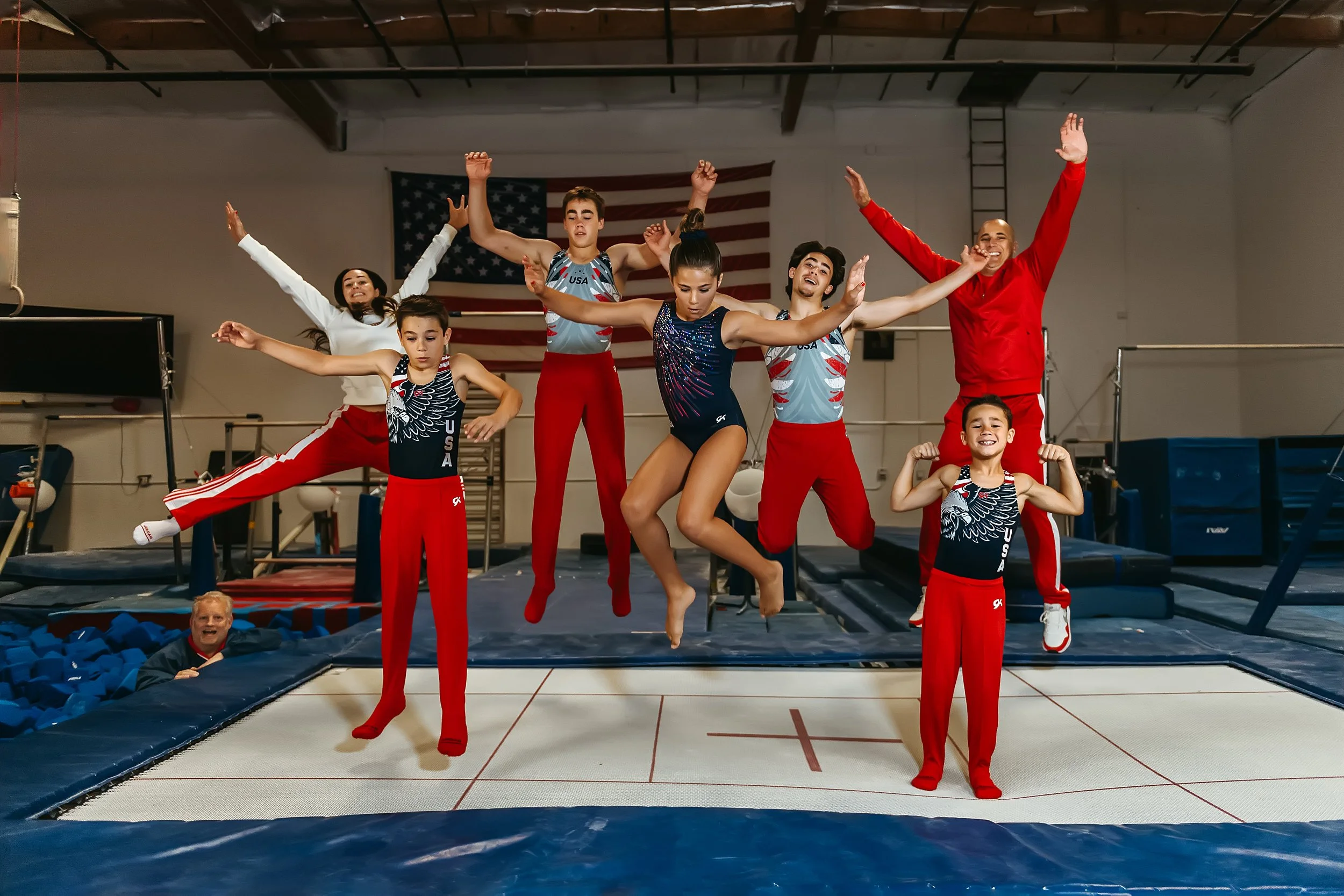


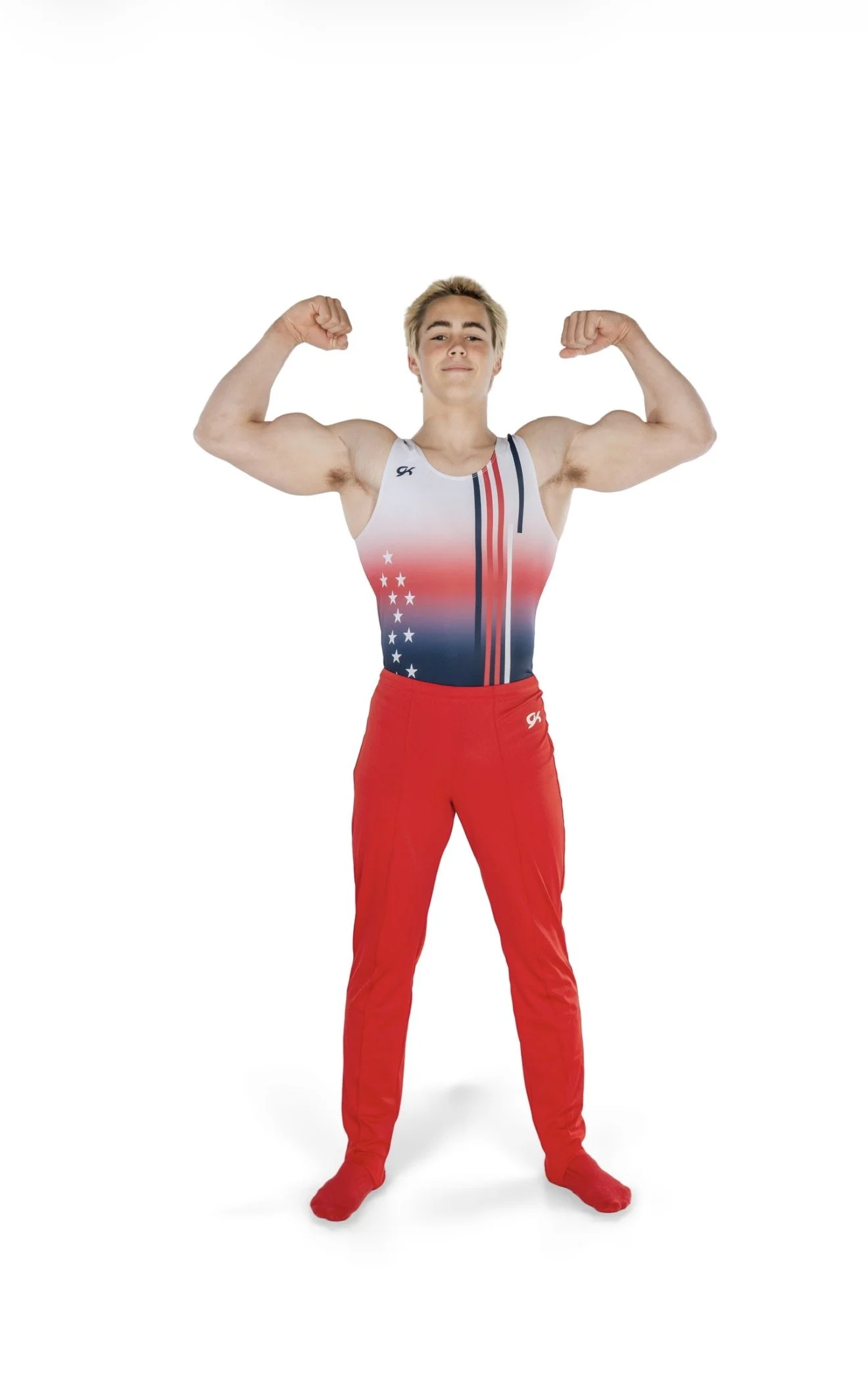
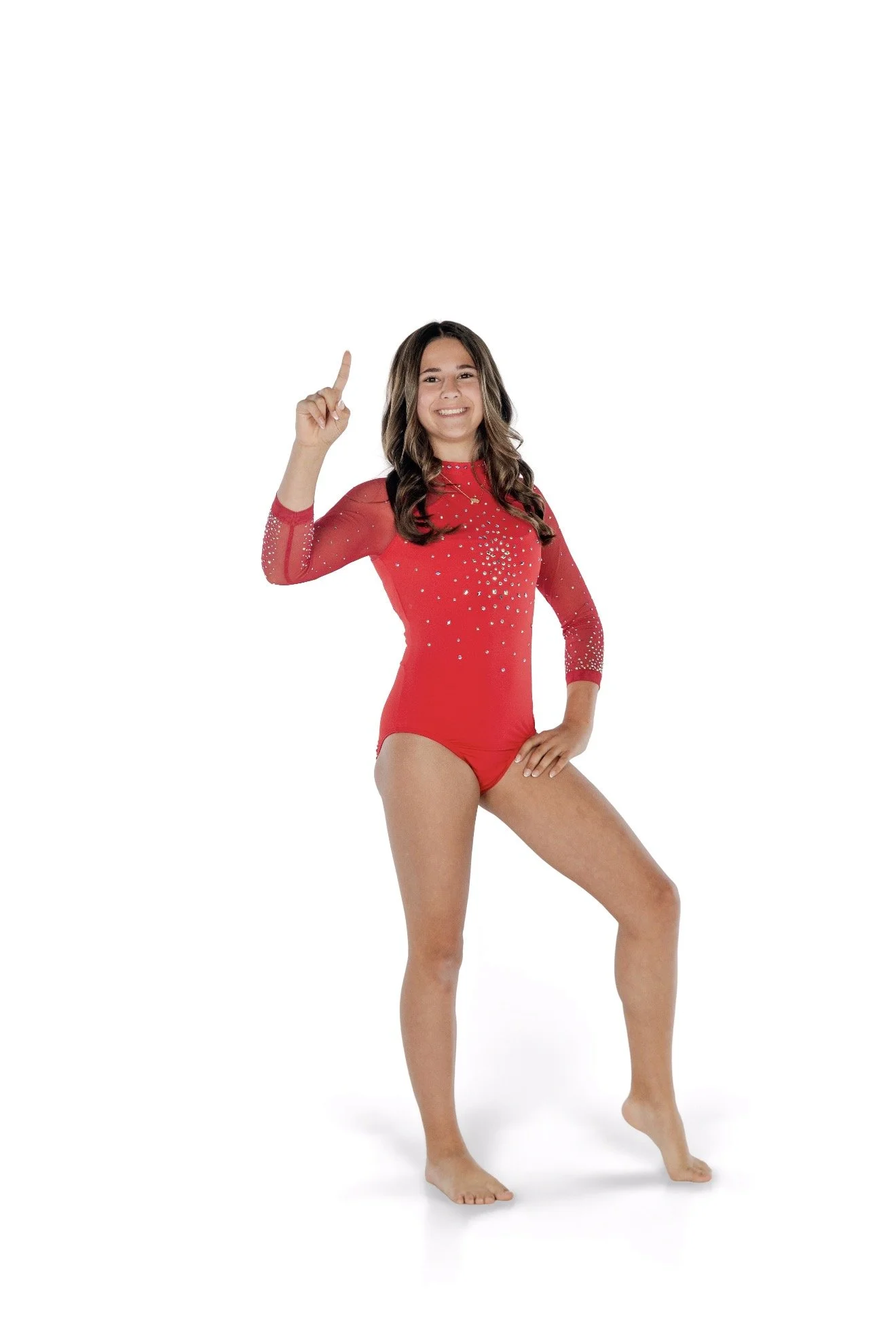
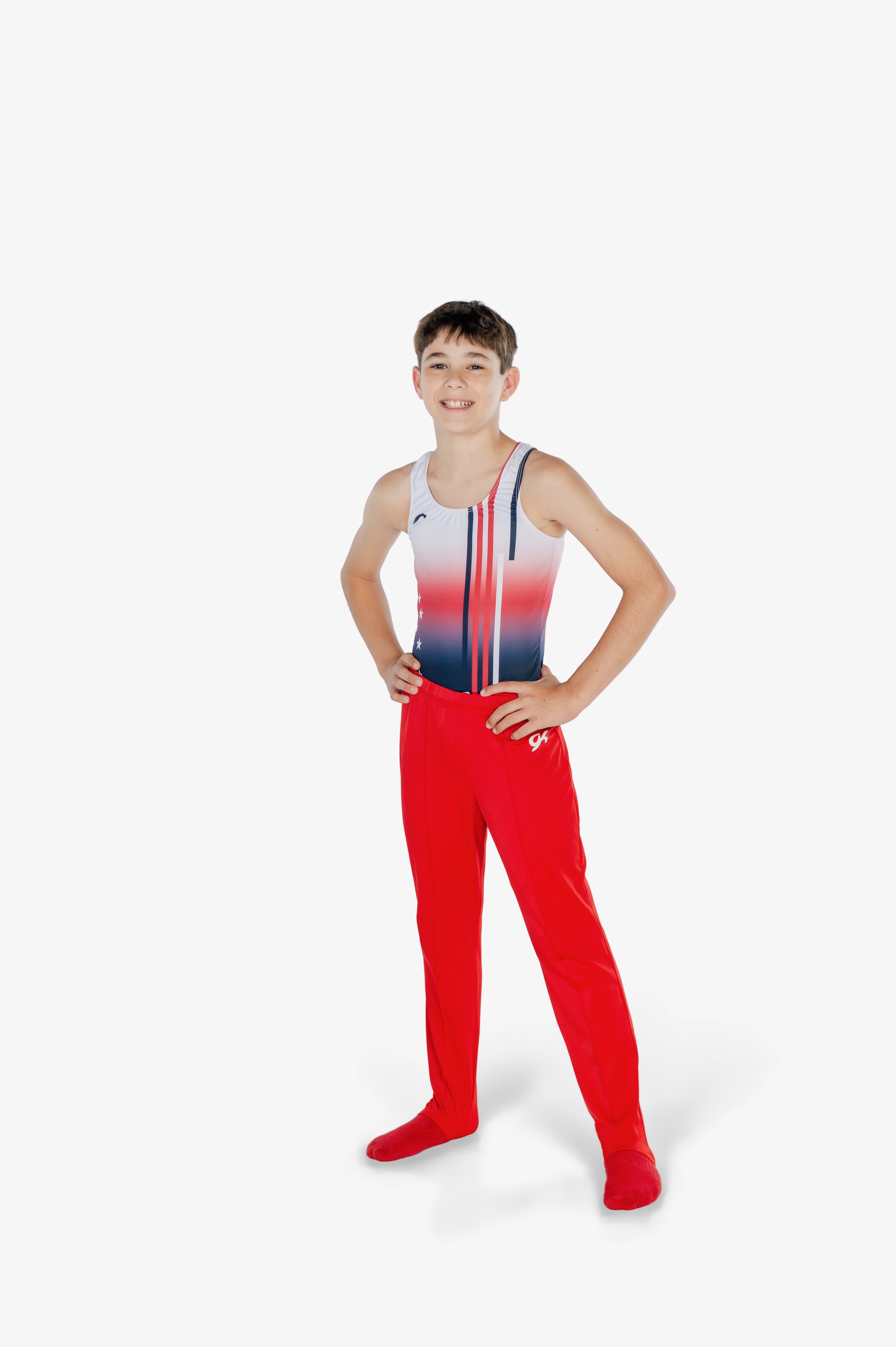
On countless Friday nights, while many teenagers were attending football games, birthday parties, or spending time with friends, Audio was heading to gymnastics practice.
There were injuries (primarily outside of gymnastics).
There were setbacks.
There were moments when quitting would have been easier.
Audio was rarely the most naturally gifted athlete in the gym. He often had to work harder than many of his peers to achieve the same result.
Yet year after year, he kept showing up.
Practice after practice.
Meet after meet.
Season after season.
That persistence eventually led him to Level 10 gymnastics, multiple appearances at national championships, and lessons that will last far longer than any medal.
As parents, Melanie and I believe Audio's story captures the true purpose of youth sports.
The goal is not creating champions.
The goal is to build character.
At Gyminny Kids, our mission is:
Fun and fitness while teaching character through sport.
That mission guides everything we do because the lessons learned inside the gym often become the lessons children carry with them for the rest of their lives.
How Does Gymnastics Teach Character Development in Children?
Parents frequently ask:
"How does gymnastics teach character development in children?"
The answer is found in the daily challenges gymnasts face.
Gymnastics requires children to:
Show up consistently
Respect coaches and teammates
Handle success with humility
Handle setbacks with resilience
Practice patience
Develop self-discipline
Learn accountability
Work toward long-term goals
Do hard things
Show self-control
Unlike many activities that provide immediate gratification, gymnastics rewards persistence.
A gymnast may spend months or even years working toward a single skill.
The process teaches children that meaningful accomplishments rarely happen overnight.
Character Is Built One Practice at a Time
One of the biggest misconceptions about youth sports is that character is built through championships.
In reality, character is often built during the moments nobody sees.
It is built when a child falls and gets back up.
It is built when a gymnast misses a skill for the hundredth time but tries again.
It is built when an athlete cheers for a teammate who scored higher than they did.
It is built when a child learns to accept coaching, handle constructive criticism, and continue moving forward.
Those daily experiences shape children into resilient young adults who understand that effort, attitude, and perseverance matter more than instant results.
Audio's Story: Perseverance Through Adversity
Audio started gymnastics as a young child and eventually worked his way to Level 10, the highest level in the USA Gymnastics Development Program, before college gymnastics.
The journey was not easy.
He battled injuries.
He missed social events.
He sacrificed sleepovers, parties, and weekends because he had practice, training camps, or competitions.
There were plenty of athletes who were more naturally gifted.
Some athletes learned skills faster.
Some athletes appeared more talented early on.
But Audio kept showing up.
Year after year.
Practice after practice.
Meet after meet.
That persistence eventually led him to multiple National Championship appearances and a successful Level 10 career.
The lesson was never that hard work guarantees championships.
The lesson was that hard work guarantees growth.
Character is built when children learn to keep going despite obstacles.
Axel's Story: Falling Out of Love and Finding It Again
Axel's journey looks different, but the lessons are equally valuable.
Axel started in the Gyminny Kids Red Room preschool program.
From there, he advanced through pre-team and eventually into our competitive team program.
Today, he is 17 years old, entering his senior year of high school, and preparing for his third season as a Level 10 gymnast.
Like many young athletes, Axel experienced burnout.
The excitement he once felt during compulsory gymnastics eventually faded.
Training became harder.
The expectations became greater.
Motivation became more difficult to find.
Many athletes quit during this phase.
Axel did not.
Instead, he worked through it.
Over time, his passion returned.
Today, he is performing some of the most difficult skills in men's gymnastics, including a Cassina and a Kovacs on high bar, as well as advanced strength elements on rings.
He has qualified for national championships multiple times and is beginning conversations with college programs that have expressed interest in his future gymnastics career.
The lesson Axel learned is one many adults still struggle with:
You do not have to love every moment of the process.
You do have to stay committed long enough to rediscover your purpose.
Finley's Story: Finding Joy Through Friendship
Our daughter Finley highlights another important life lesson.
Finley started in the Red Room preschool program before advancing into Jets and eventually joining the Development Program.
She completed Levels 3 and 4 before training toward Level 6.
Along the way, several of her closest gymnastics friends moved to another NCG gym.
That was difficult.
For young athletes, friendships often become one of the most important parts of sports participation.
Eventually, Finley transitioned into the Xcel Gold program.
The move reignited her love for gymnastics.
She had an outstanding season, gained confidence, and developed a new group of teammates who genuinely support one another.
Today, she is preparing for Xcel Platinum and loves going to practice.
One of the greatest gifts sports can provide is friendship.
The teammates' children who meet today often become lifelong friends tomorrow.
Learning how to support others, celebrate teammates' successes, and build healthy relationships is an important part of character development.
Finley's story is also a reminder that success does not always look the same for every athlete.
Sometimes the right path is neither the fastest nor the most prestigious.
Sometimes the right path is the one that helps a child regain confidence, build friendships, and rediscover joy.
Remi's Story: Defining Success on His Own Terms
Our son Remi learned a lesson that many children face in sports.
Comparison.
Remi is one year older than his younger brother, Rocket.
For several years, Rocket consistently earned higher scores and received more recognition for his success in gymnastics.
That can be difficult for any child.
It would have been easy for Remi to become discouraged.
Instead, he learned something much more valuable.
He learned that success is personal.
Last season, while repeating Level 5, Remi won several all-around titles and continued developing as an athlete.
Now he is training at Level 7 and continuing to improve.
His biggest victory was not a medal.
His biggest victory was learning that his journey belongs to him.
When children stop comparing themselves to others and focus on becoming the best version of themselves, confidence begins to grow.
That lesson will serve Remi far beyond gymnastics.
Rocket's Story: Learning Through Failure
Rocket has experienced tremendous success in gymnastics.
At just 10 years old, he recently earned a spot on the Future Stars National Team. He qualified for training at the Olympic and Paralympic Training Center in Colorado Springs after finishing among the top athletes in the country at Nationals.
For most of his gymnastics career, winning came naturally.
Then something unexpected happened.
He struggled.
He felt pressure.
He experienced burnout.
At the national championships, he fell off the pommel horse.
For many athletes, failure becomes a defining moment.
For Rocket, it became a learning moment.
He discovered that even elite athletes make mistakes.
He learned that one meet does not define a career and chose to focus on the positives. He still qualified for the national team and placed first in three events.
He learned that growth often comes from setbacks rather than victories.
This summer, we have intentionally focused less on results and more on helping him rediscover his love for the sport. Taking time off, spending time with friends, and taking vacations.
Because at the end of the day, passion matters more than medals.
Why Character Matters More Than Talent
After watching thousands of gymnasts over the years, one lesson stands out above all others:
Talent matters.
Character matters more.
Talent may help a child learn a skill faster.
Talent may help an athlete win earlier in life.
Talent may create early success.
But character determines how far a child ultimately goes.
Audio was not always the most naturally gifted athlete in the gym, yet he persevered all the way to Level 10 and multiple national championships. Slow plus slow equals fast!
Axel experienced burnout and had to rediscover his motivation before reaching some of the highest levels of the sport.
Finley found a new path that helped her regain confidence and joy.
Remi learned to stop comparing himself to others and focus on his own growth.
Rocket is learning that even elite athletes face setbacks and pressure.
Each child faced different challenges.
Each child learned different lessons.
But every lesson contributed to a stronger character.
Long after gymnastics is over, those lessons will remain.
Character helps children become better students.
Better employees.
Better spouses.
Better parents.
Better leaders.
That is why Melanie and I have always viewed sports as a vehicle for personal growth rather than a destination.
The medals are nice.
The banners are exciting.
The friendships, resilience, work ethic, gratitude, and confidence are the true rewards.
Why Gratitude Matters in Youth Sports
One of the most overlooked lessons gymnastics teaches is gratitude.
Athletes learn to appreciate:
Teammates who support them
Parents who drive them to practice
Opportunities to compete
The ability to move their bodies
The privilege of being part of something bigger than themselves
Research from organizations such as Harvard Medical School and the Greater Good Science Center has found that gratitude is associated with increased happiness, stronger relationships, improved emotional well-being, and greater resilience.
Children who learn gratitude often develop a healthier perspective on both success and failure.
Rather than focusing exclusively on outcomes, grateful athletes learn to appreciate the process, the people around them, and the opportunities they have been given.
What Melanie and I Have Learned as Parents
Melanie and I have never believed our children need to become elite athletes.
We do not care whether they become college gymnasts.
We do not care how many medals they win.
What matters most is that they learn how to do hard things.
We want our children to develop discipline.
We want them to build friendships.
We want them to learn resilience.
Most importantly, we want them to become good people.
Our children do not have to participate in gymnastics.
But they do need to participate in something.
We believe children need physical activity, healthy relationships, positive mentors, and challenges that help them grow.
Sports provide all four.
One quote that has always stayed with us came from the mother of an Olympian:
"Don't quit on a bad day."
If a child ultimately decides a sport is not right for them, that is okay.
But decide on a good practice, from a place of clarity rather than frustration.
That mindset has served our family well over the years.
Our family has another rule.
The children do not have to choose gymnastics.
They do have to choose a sport.
We believe kids need a physical outlet.
They need challenges.
They need teammates.
They need coaches.
They need opportunities to struggle, adapt, and grow.
Those experiences help prepare them for life in ways that screens, devices, and passive entertainment never can.
The Role Coaches Play in Character Development
One reason we are so passionate about youth sports is that coaches become important mentors.
In many ways, raising children becomes a team effort.
Parents play a critical role.
Teachers play a critical role.
As parents, Melanie and I often joke that it feels like we have been co-parenting our children alongside the incredible coaches who have helped guide them through the years.
Dozens of coaches have influenced our children throughout their gymnastics journeys.
Each coach brought a different perspective.
Each coach helped shape who they are becoming.
At Gyminny Kids, we take tremendous pride in our coaching staff.
Many of our coaches have dedicated years and even decades to helping children develop confidence, discipline, resilience, and character.
We believe longevity matters.
Career coaches build stronger relationships.
Experienced coaches create safer environments.
Committed coaches help children navigate both victories and disappointments.
The impact of a great coach extends far beyond gymnastics skills.
A great coach can change a child's life trajectory.
Character Lasts Longer Than Medals
Medals eventually collect dust.
Scores are forgotten.
Championship banners fade.
Character remains.
The perseverance Audio developed.
The resilience Axel discovered.
The friendships Finley built.
The confidence Remi gained.
The humility Rocket is learning.
Those lessons will matter long after gymnastics is over.
That is why we believe sports are about so much more than winning.
They are about preparing children for life.
And when character becomes the goal, every child wins.
Over the years, NCG athletes have competed successfully at state, regional, and national championships while developing skills that extend far beyond the gym.
By Daniel Gundert, Owner of North County Gymnastics & The Gyminny Kids, former gymnast, lifelong coach, national gymnastics judge, best-selling author, and father of five competitive gymnasts
Quick Links
• Competitive gymnastics training→]
• Register for a free trial class today→]
• Recreational versus team: which is better for my child?→]
• Learn more about GK's no registration or annual fees pricing model→]
• Gymnastics mindset training→]
• Why Families Choose Gyminny Kids→]
Where does North County Gymnastics train competitive athletes?
North County Gymnastics & The Gyminny Kids trains competitive gymnastics athletes at multiple San Diego locations, including:
Proudly Serving Families In:
• 4S Ranch
• Poway
• Carlsbad
• La Costa
Frequently Asked Questions
How does gymnastics teach character development in children?
Gymnastics teaches perseverance, discipline, accountability, respect, gratitude, and resilience by requiring children to work consistently toward long-term goals while overcoming challenges.
Can gymnastics help children build confidence?
Yes. Gymnastics allows children to experience measurable progress through skill development, helping them gain confidence both inside and outside the gym.
What life lessons do children learn from gymnastics?
Children learn perseverance, teamwork, patience, goal-setting, self-discipline, respect for others, gratitude, and how to recover from setbacks.
Is gymnastics good for emotional development?
Research suggests that sports participation can support emotional development by helping children build resilience, confidence, social connections, and healthy coping skills.
At what age should children start gymnastics?
Many children begin in toddlerhood or preschool, but gymnastics can provide meaningful benefits at almost any age.