
USA Gymnastics Future Stars: What Parents Should Know From Our Week at the Olympic Training Center



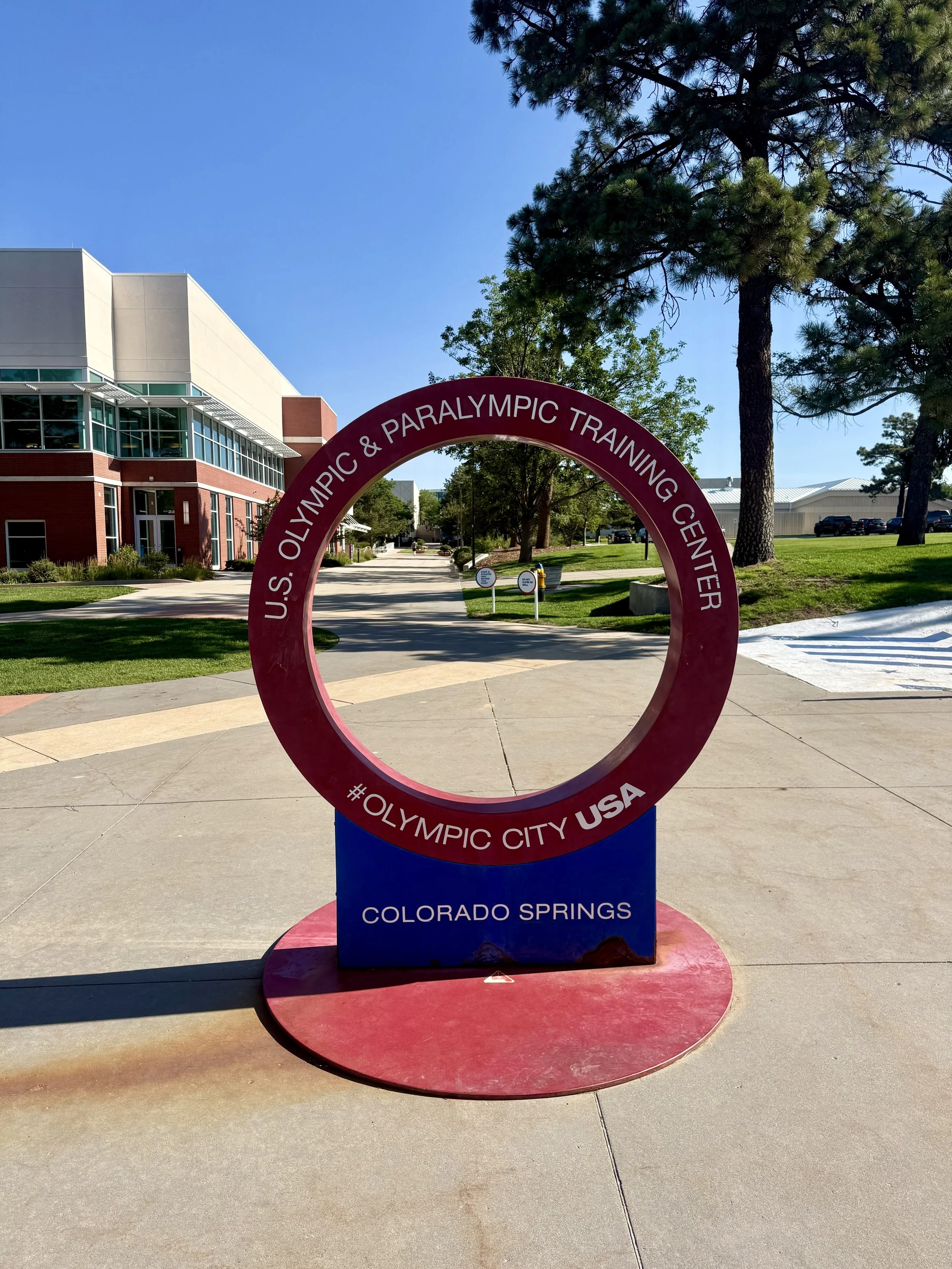
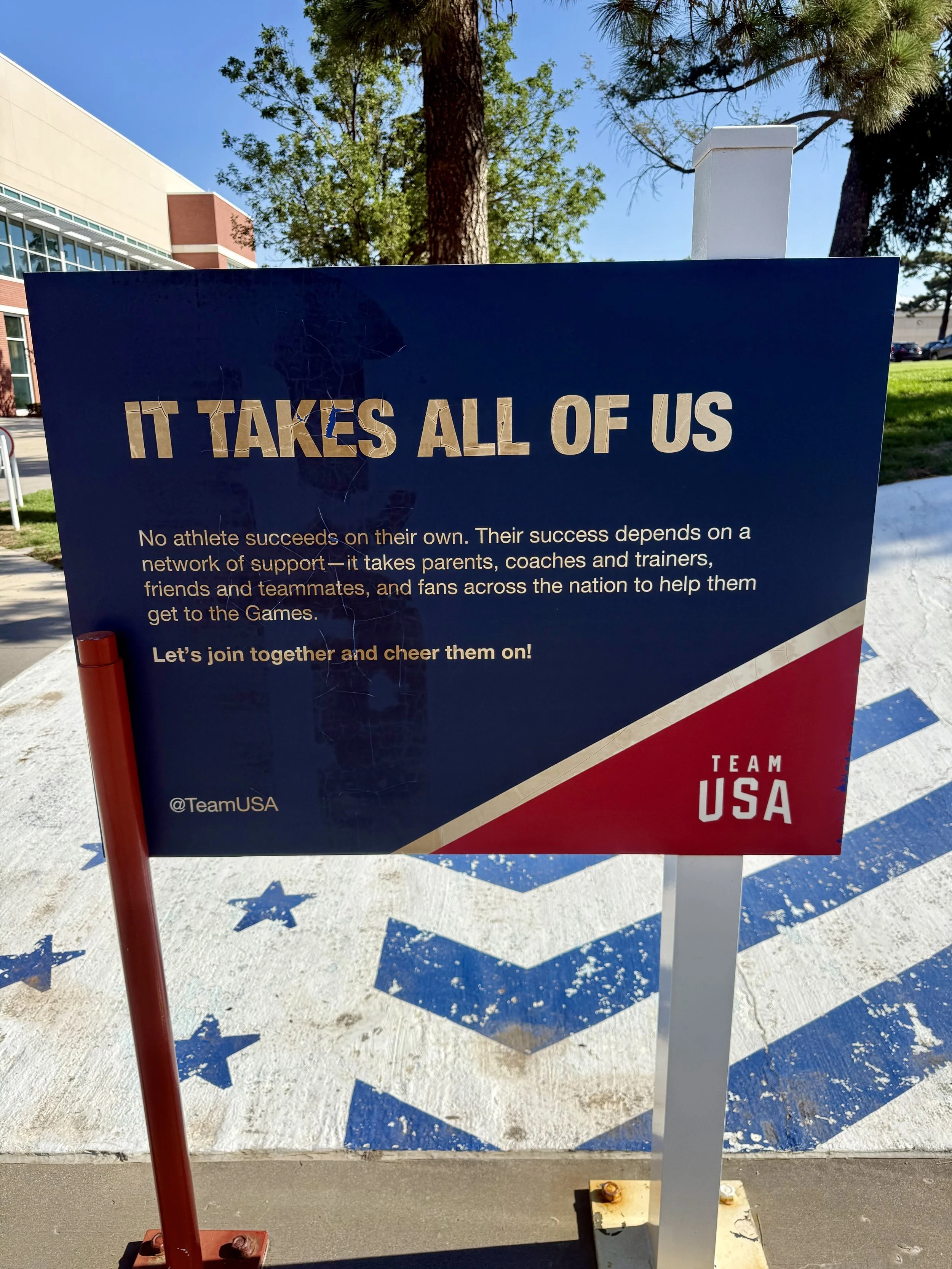
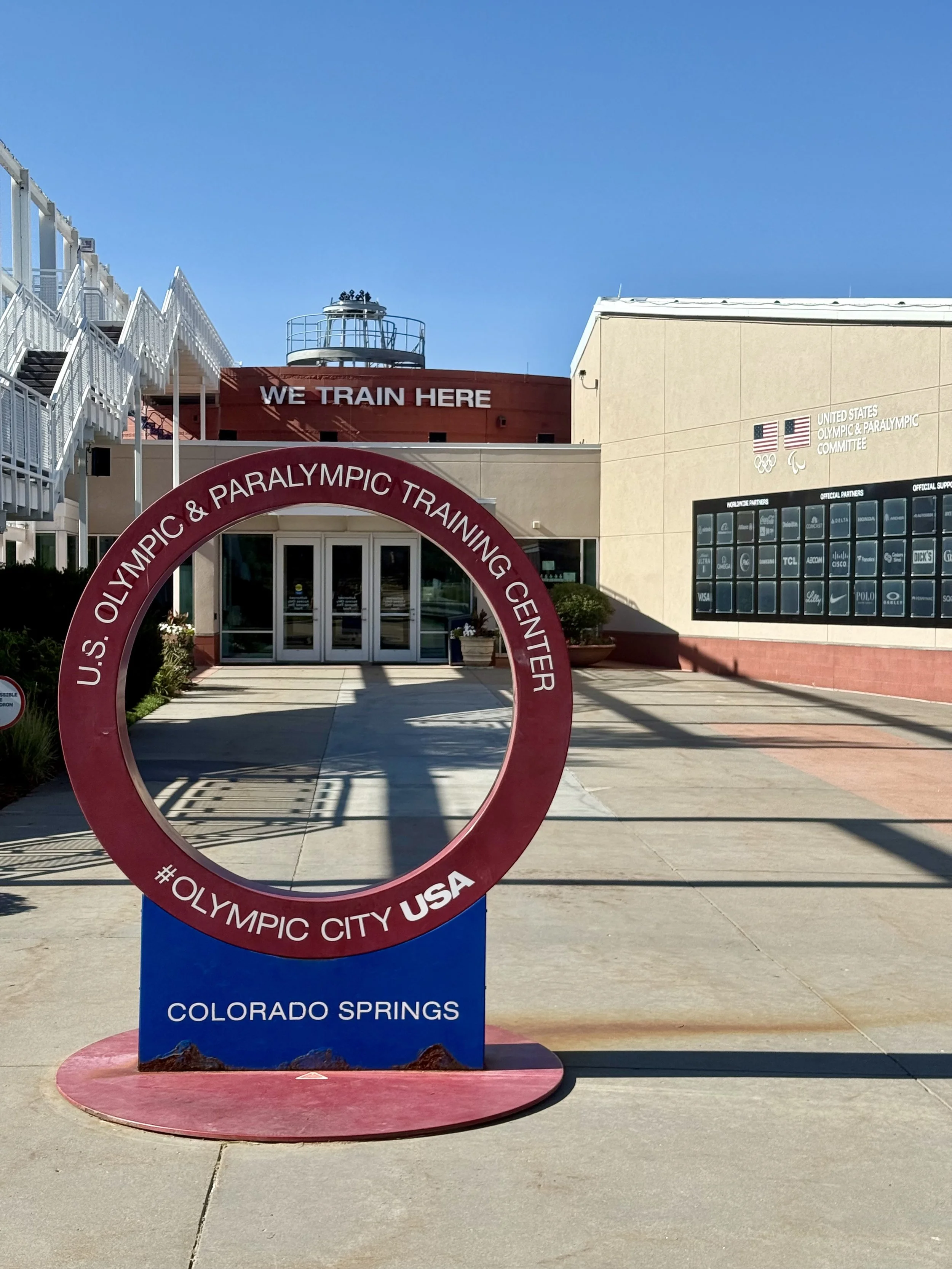
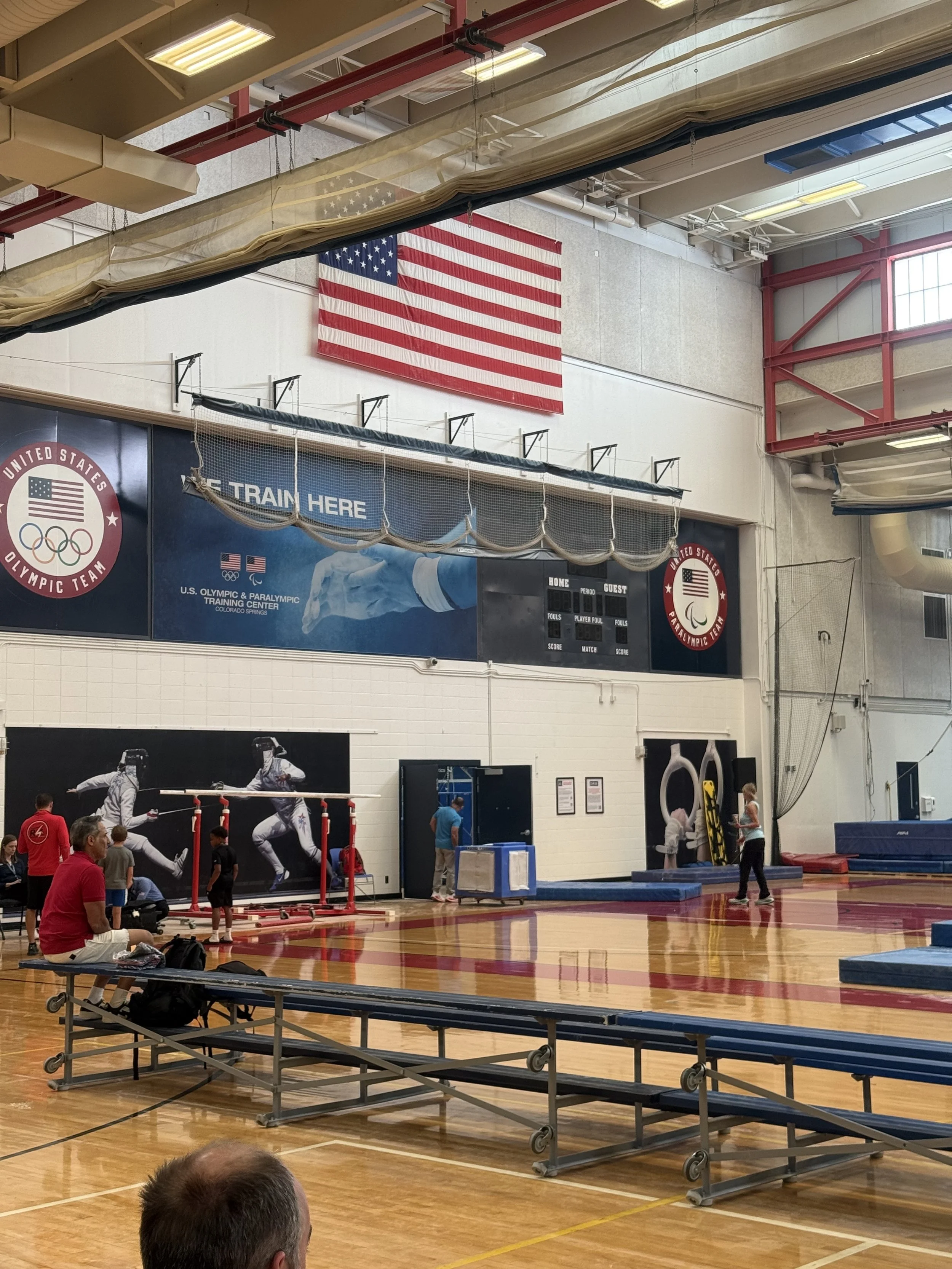

When parents enroll their child in gymnastics, they're usually hoping for some basic fun and fitness.
Maybe they want their son or daughter to become more confident.
Maybe they want them to burn off some energy, make new friends, learn discipline, or discover a sport they enjoy.
Very few parents walk into a gymnastics gym thinking:
"Maybe one day my child will train at the U.S. Olympic & Paralympic Training Center."
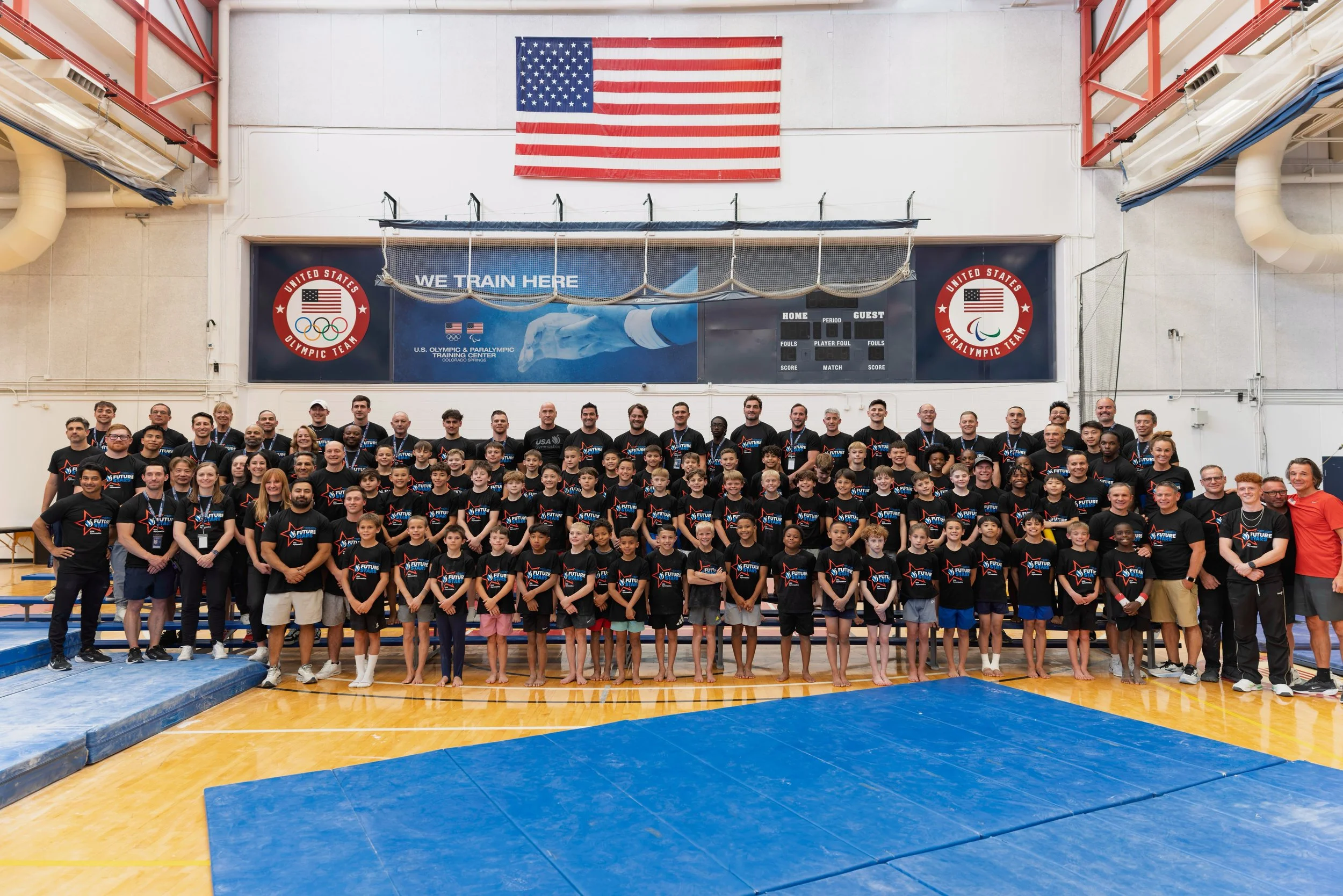
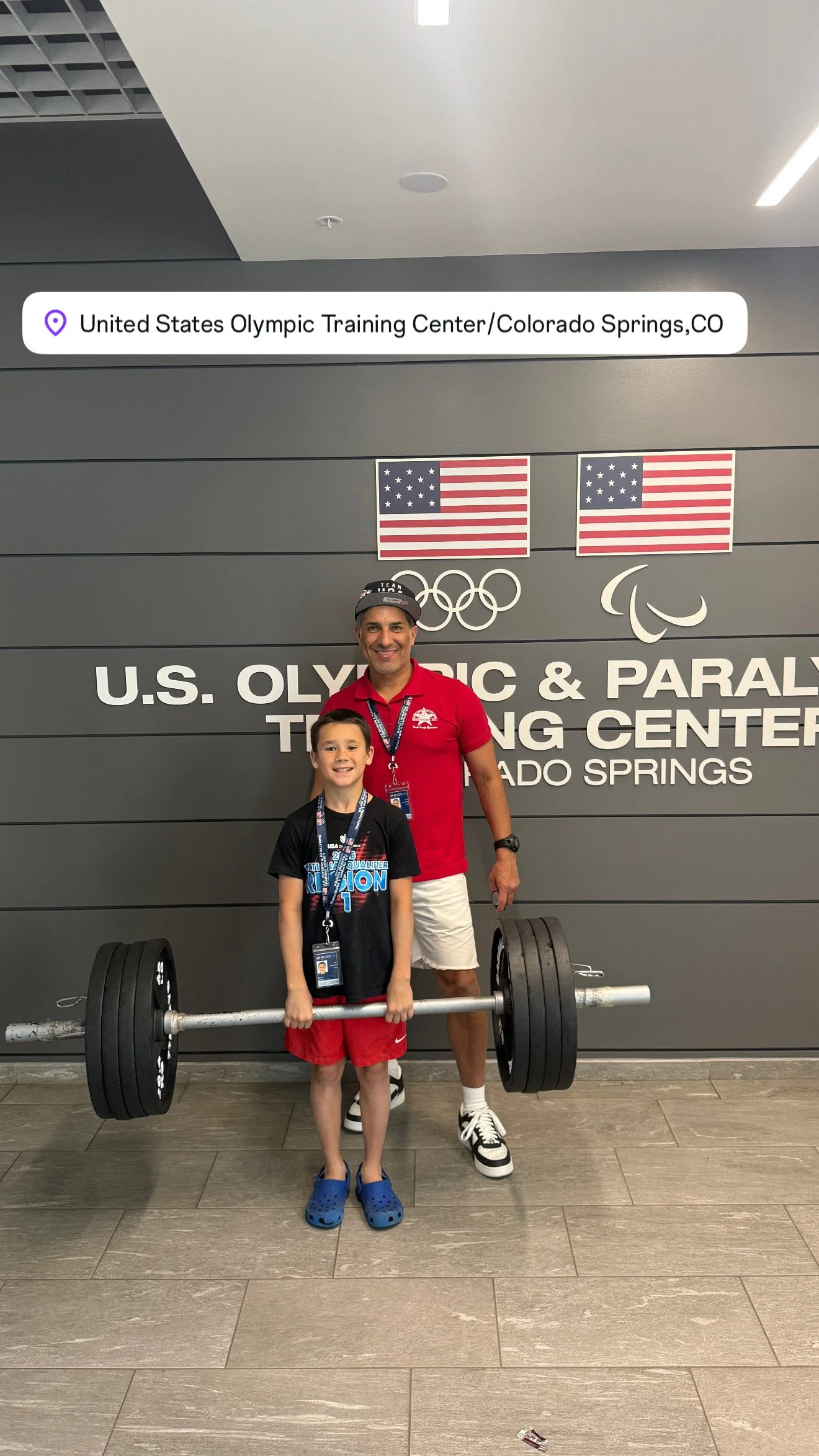
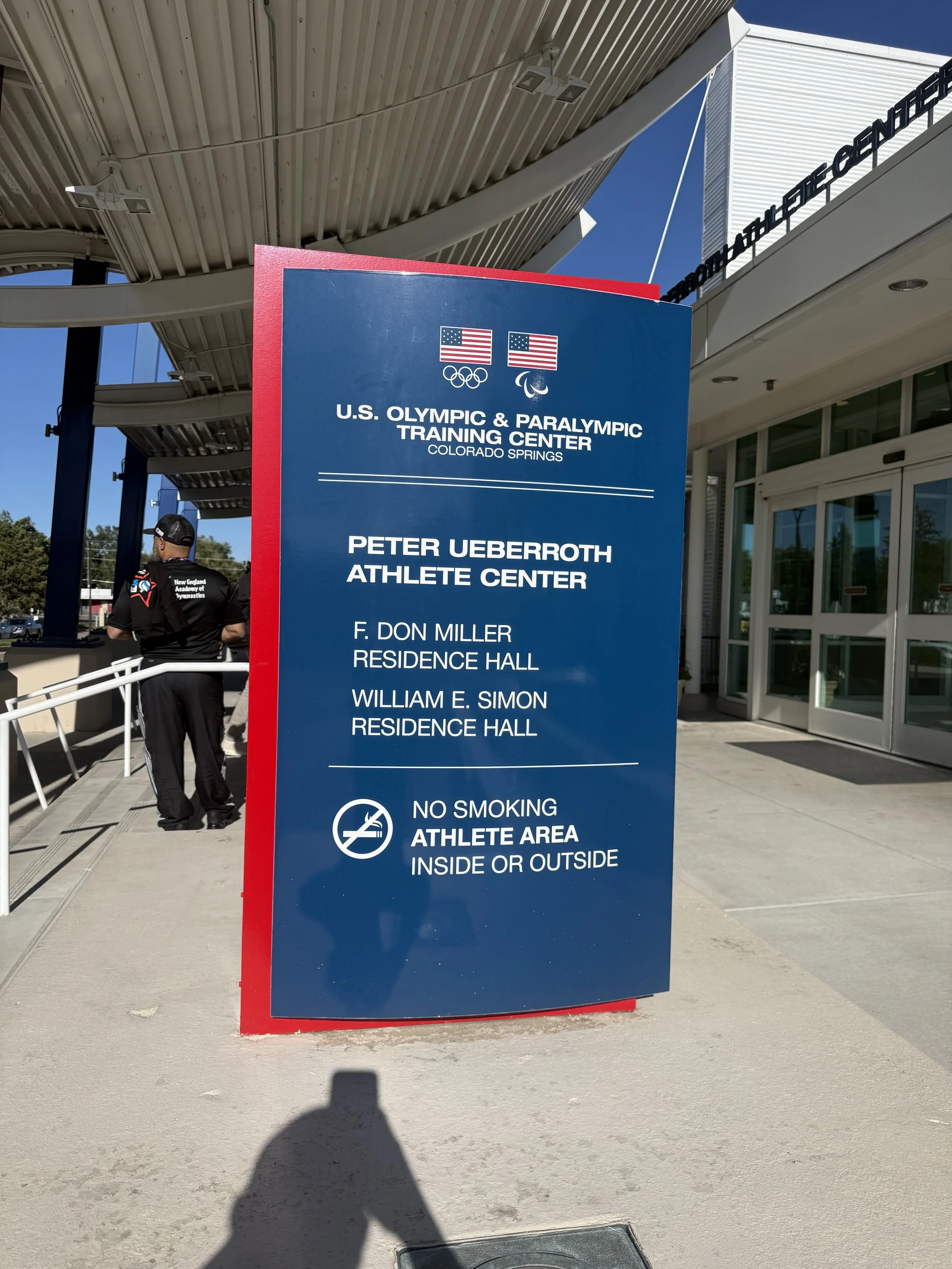
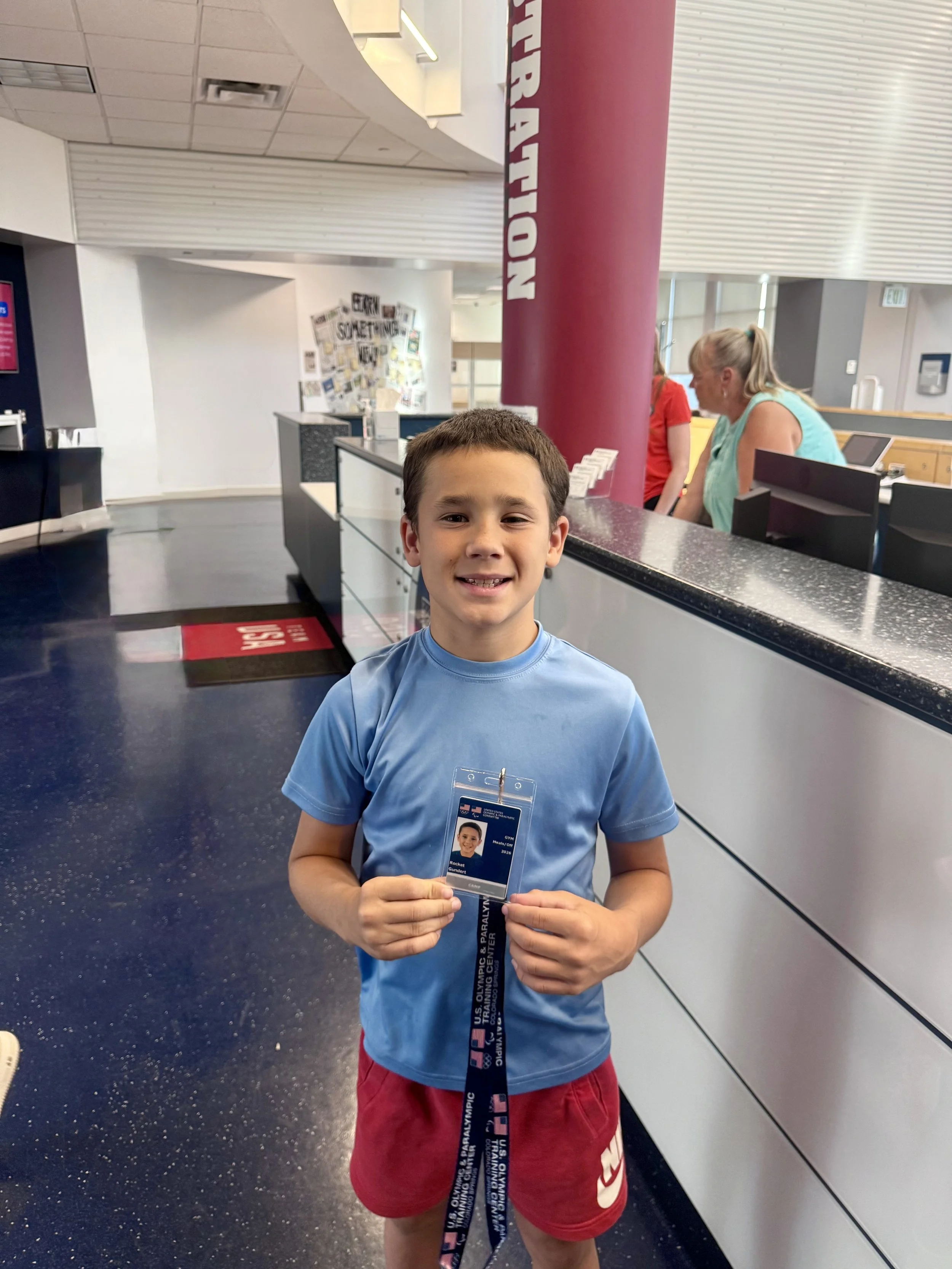
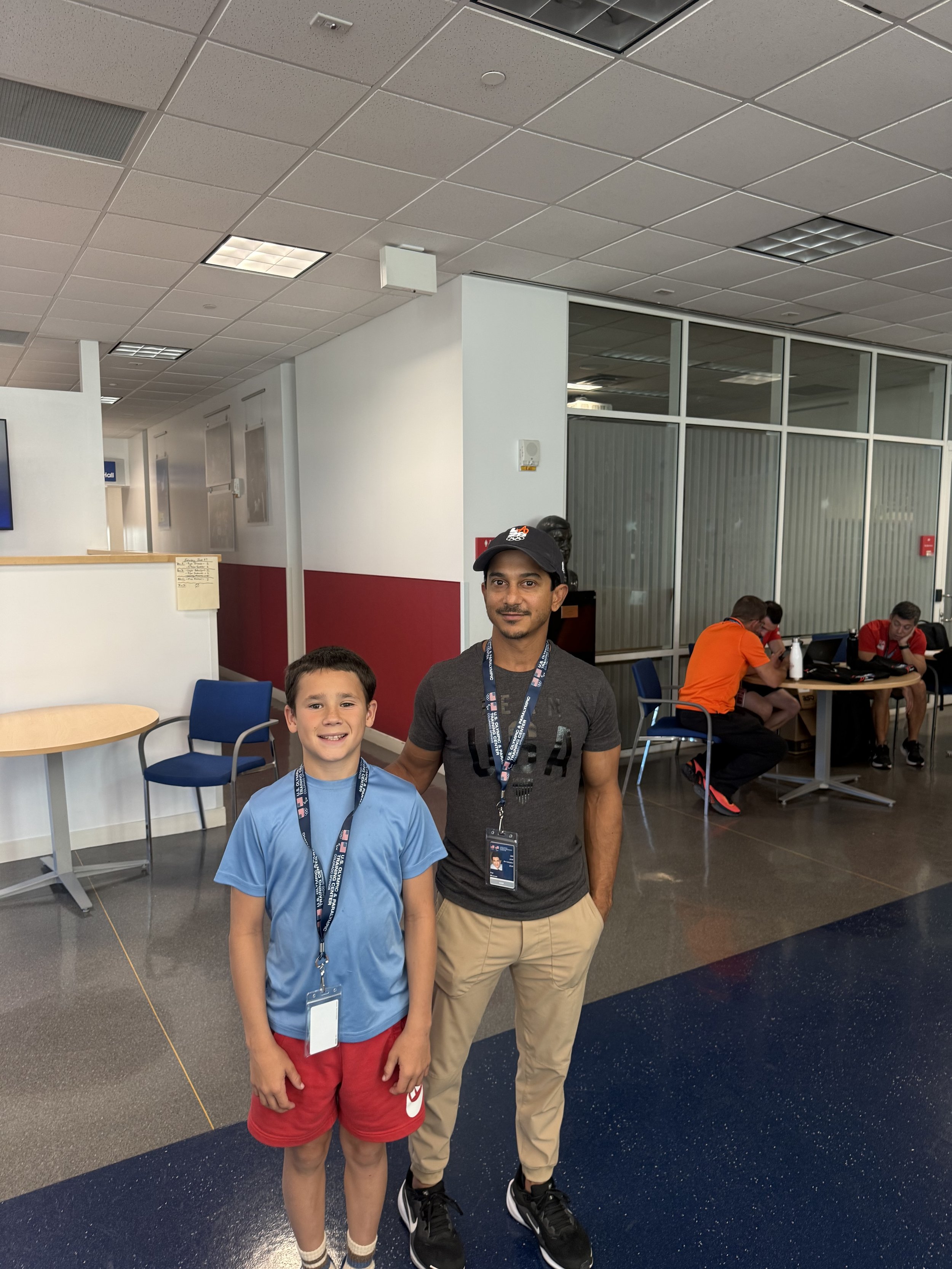
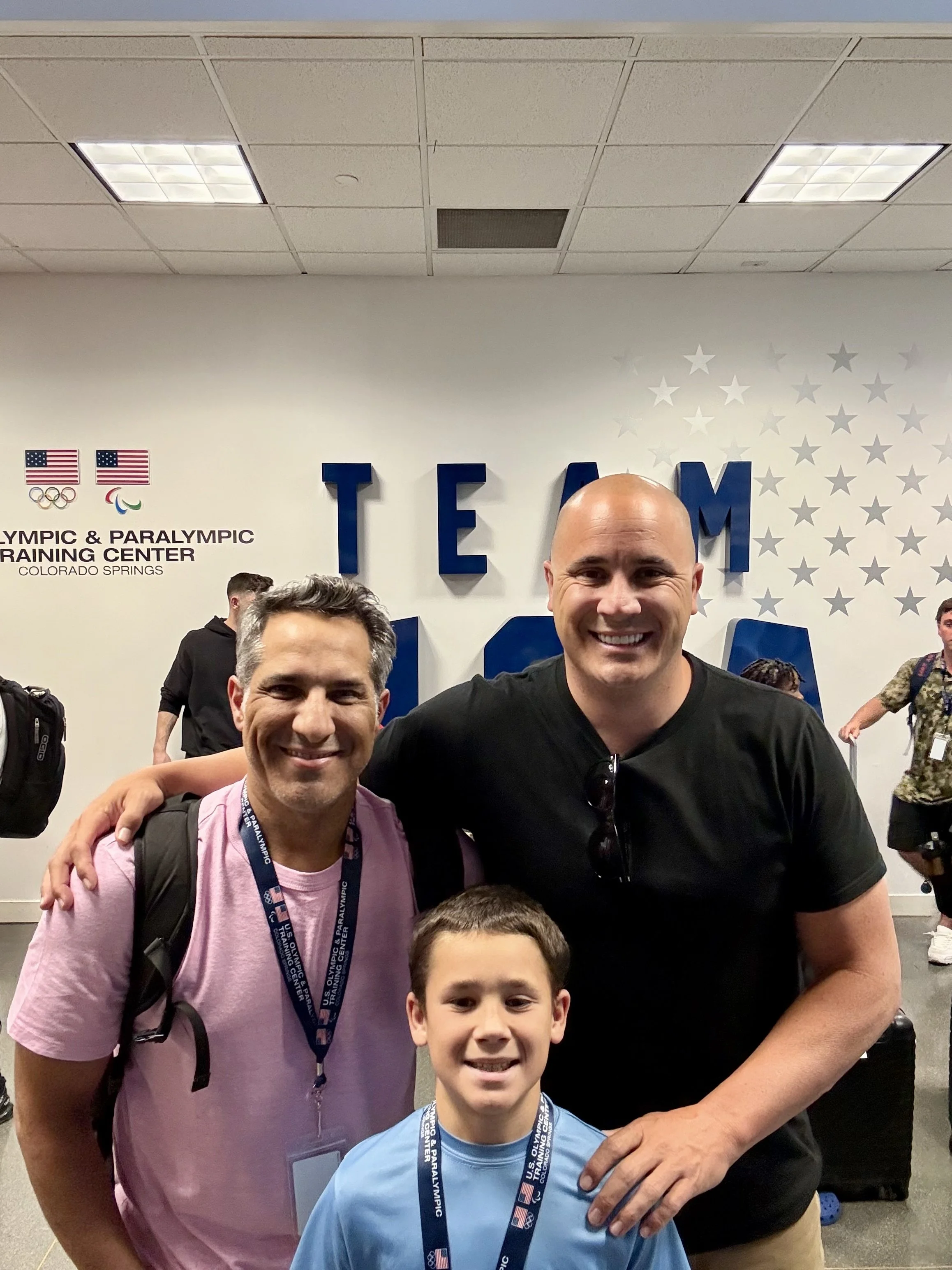
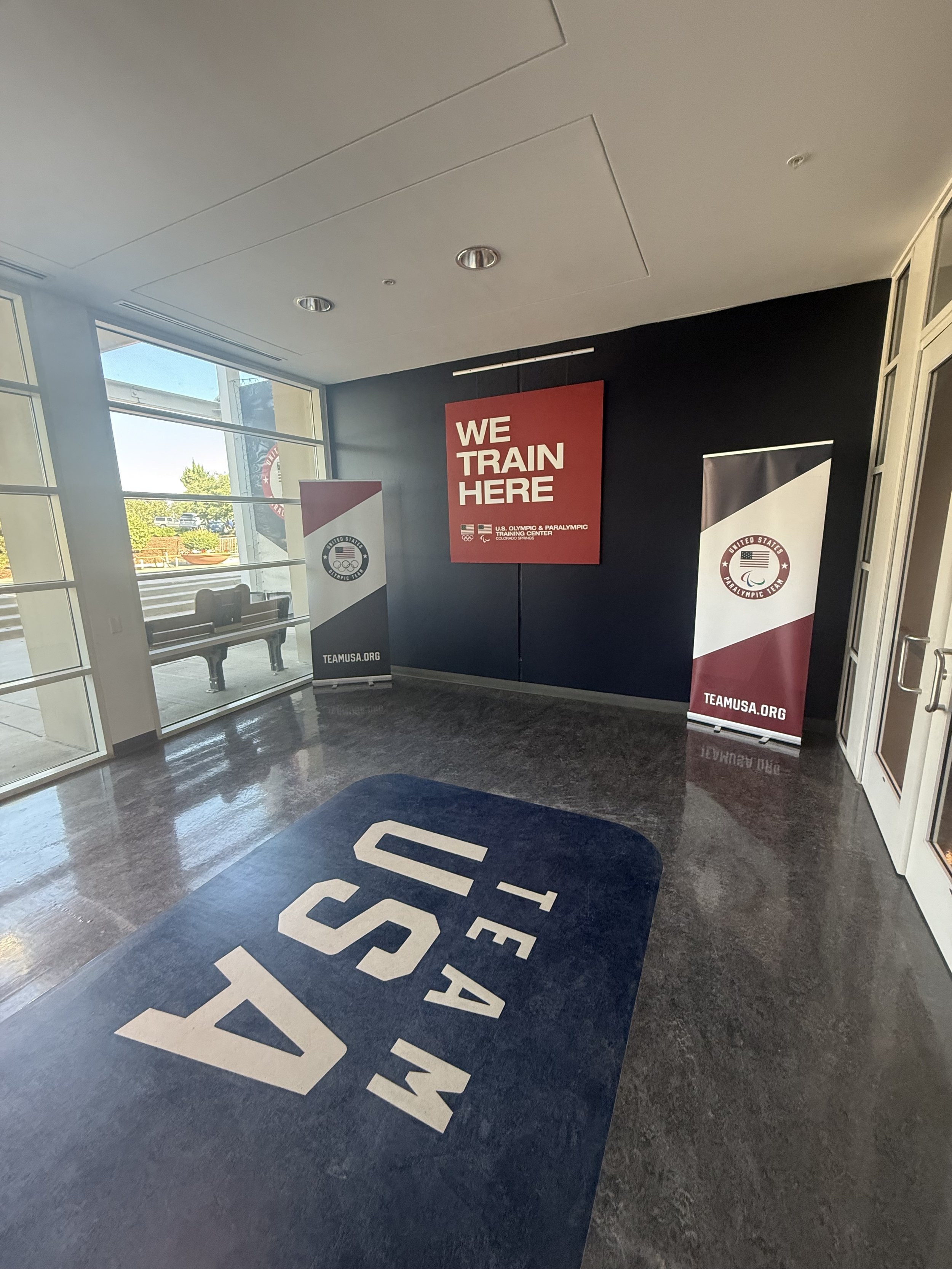
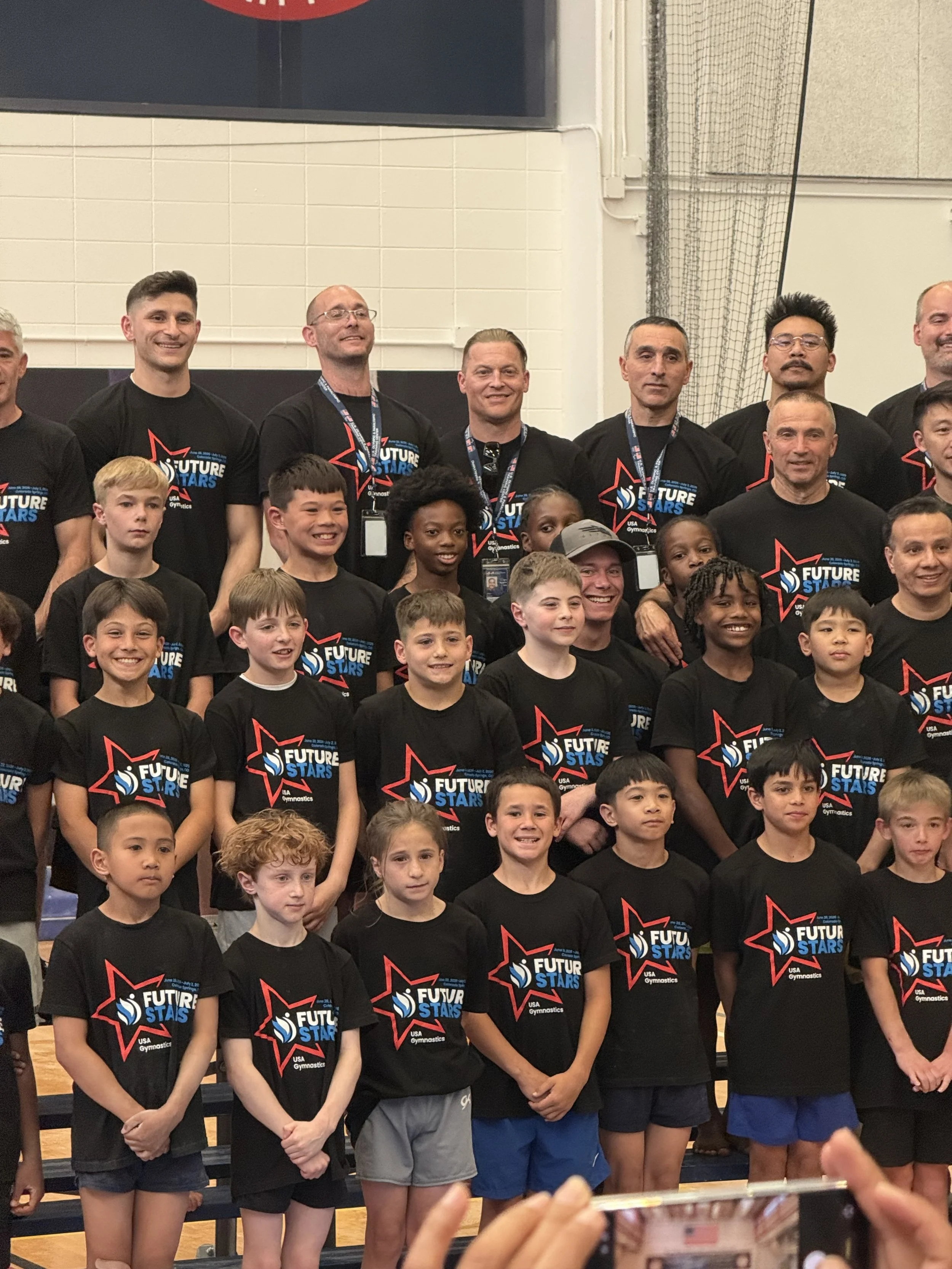
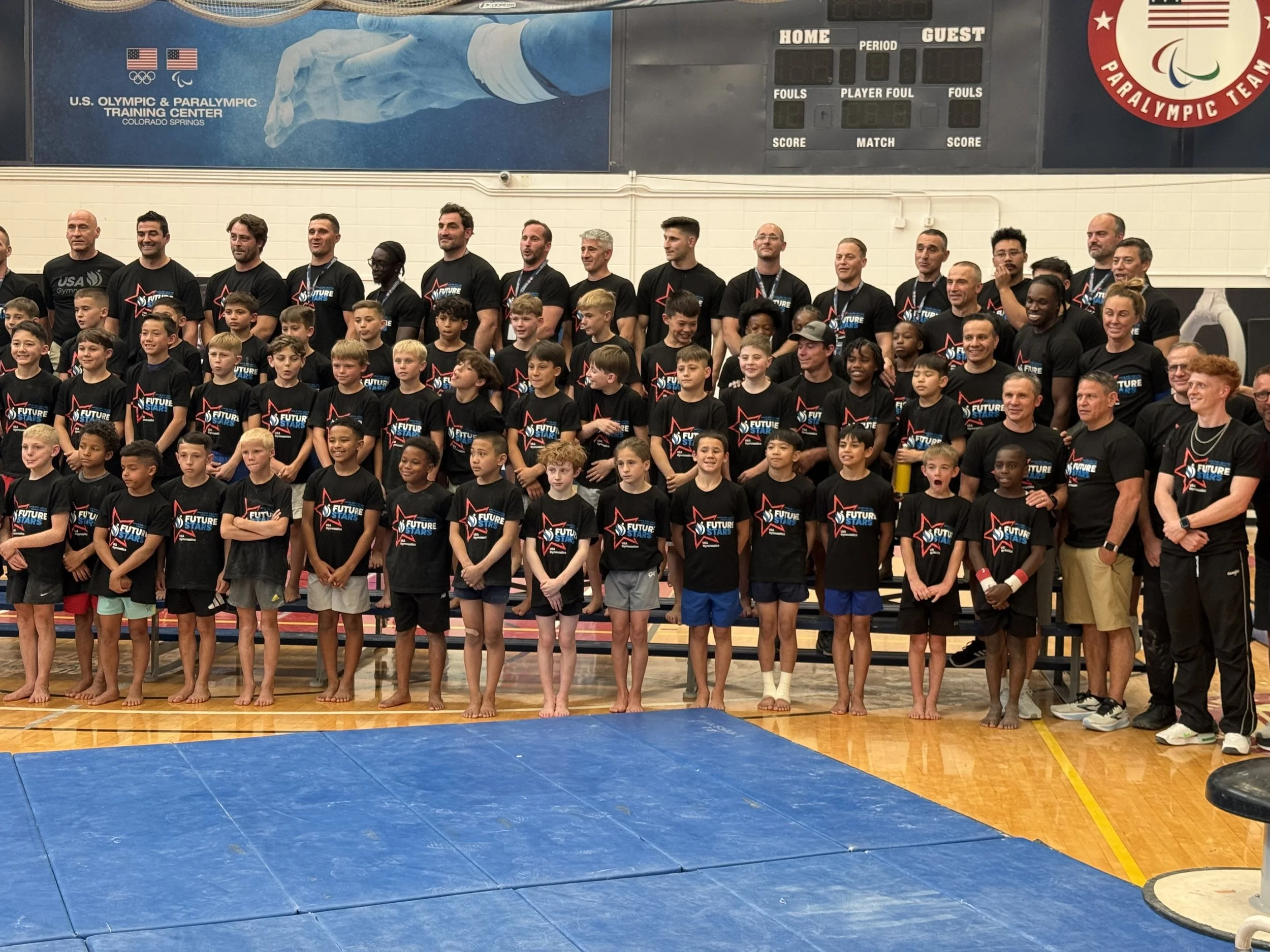
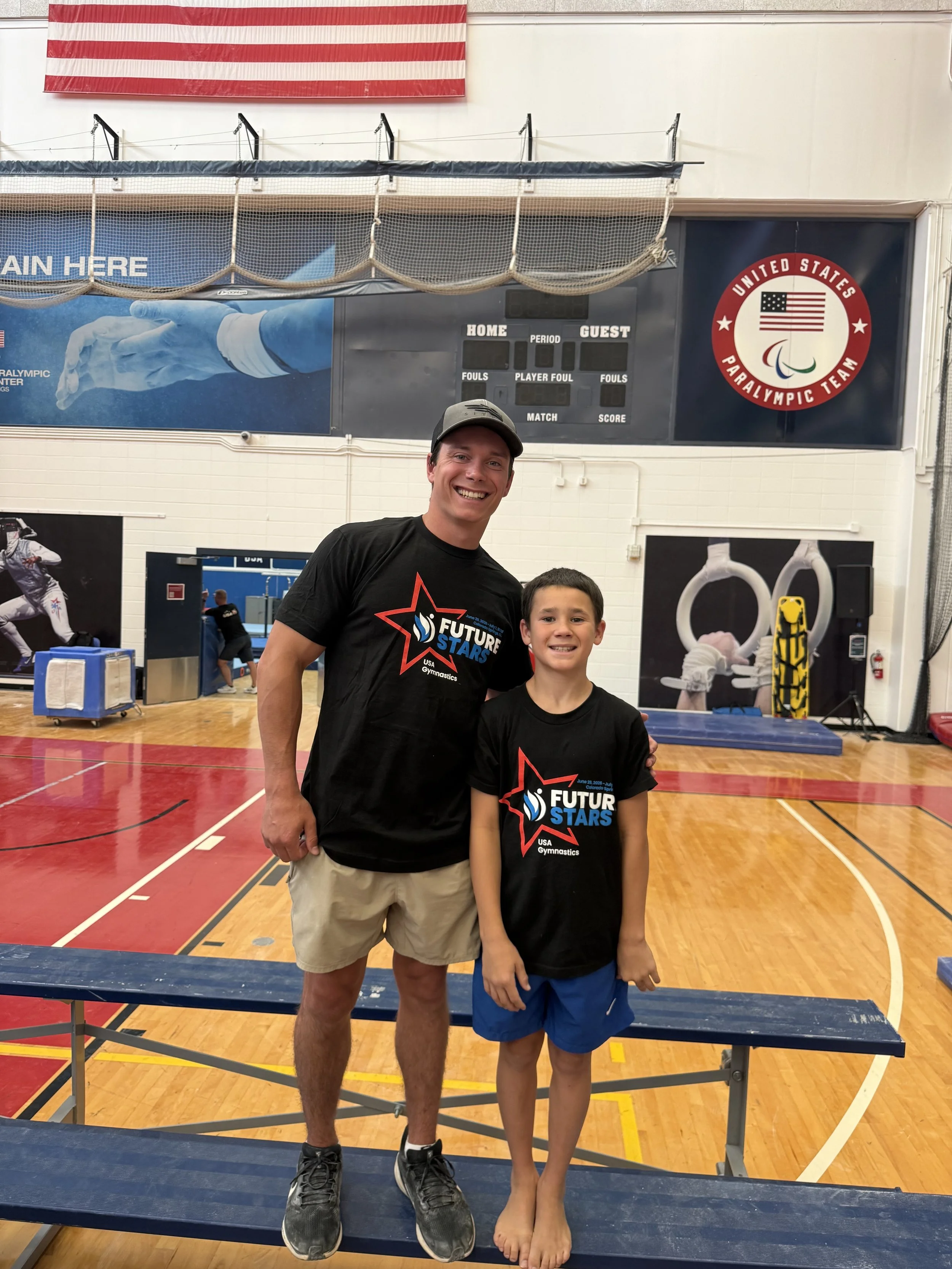
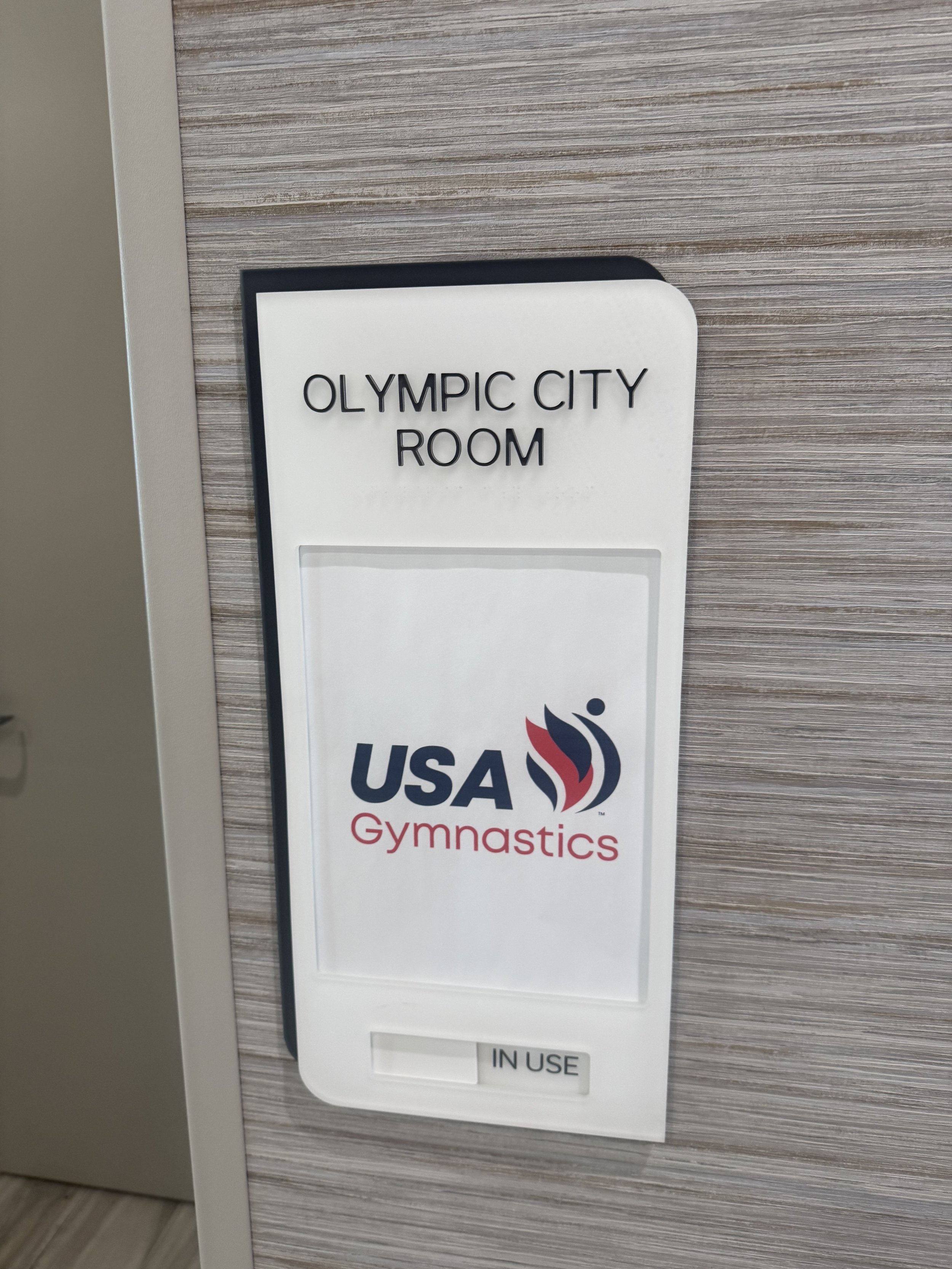
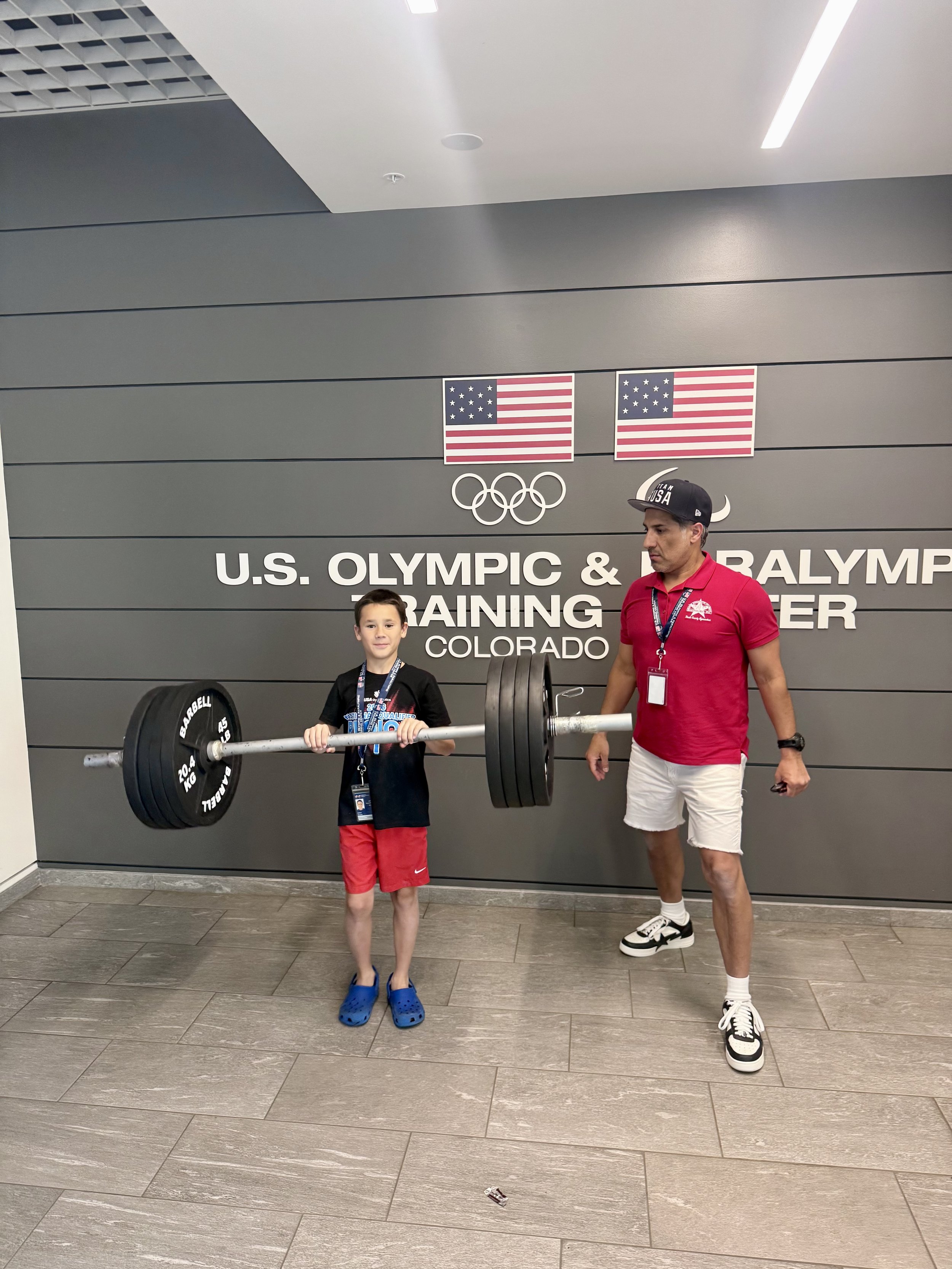
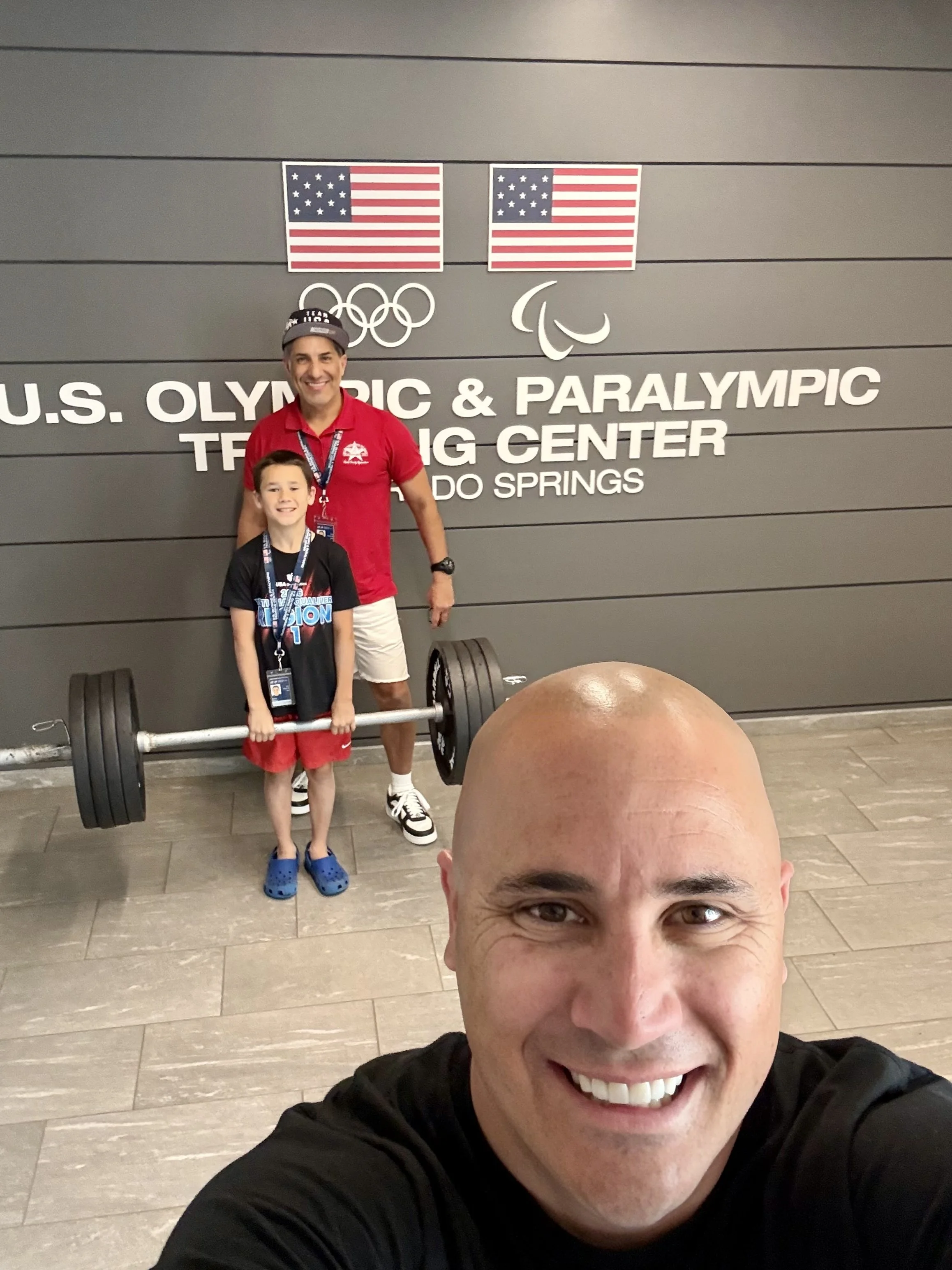
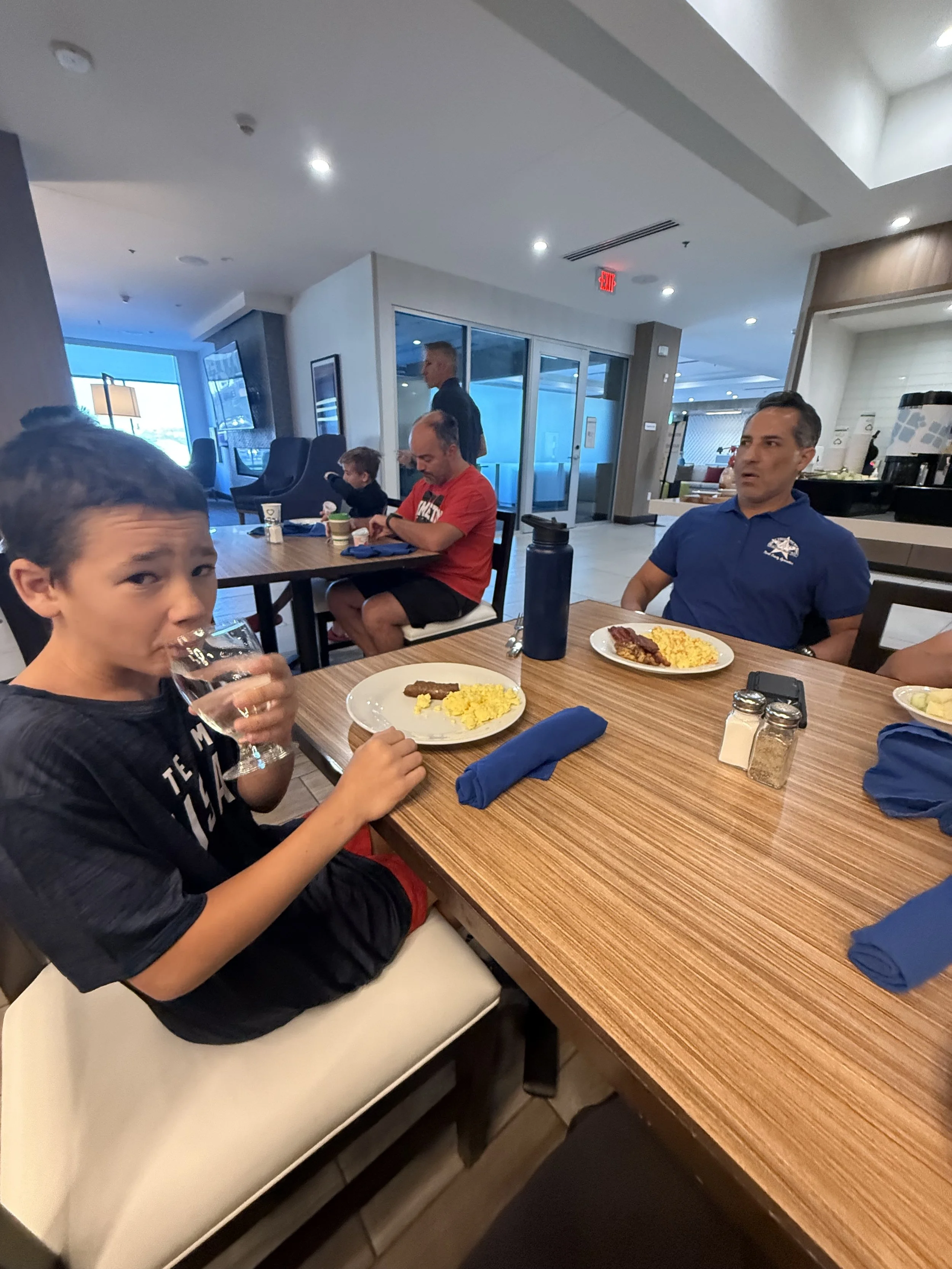
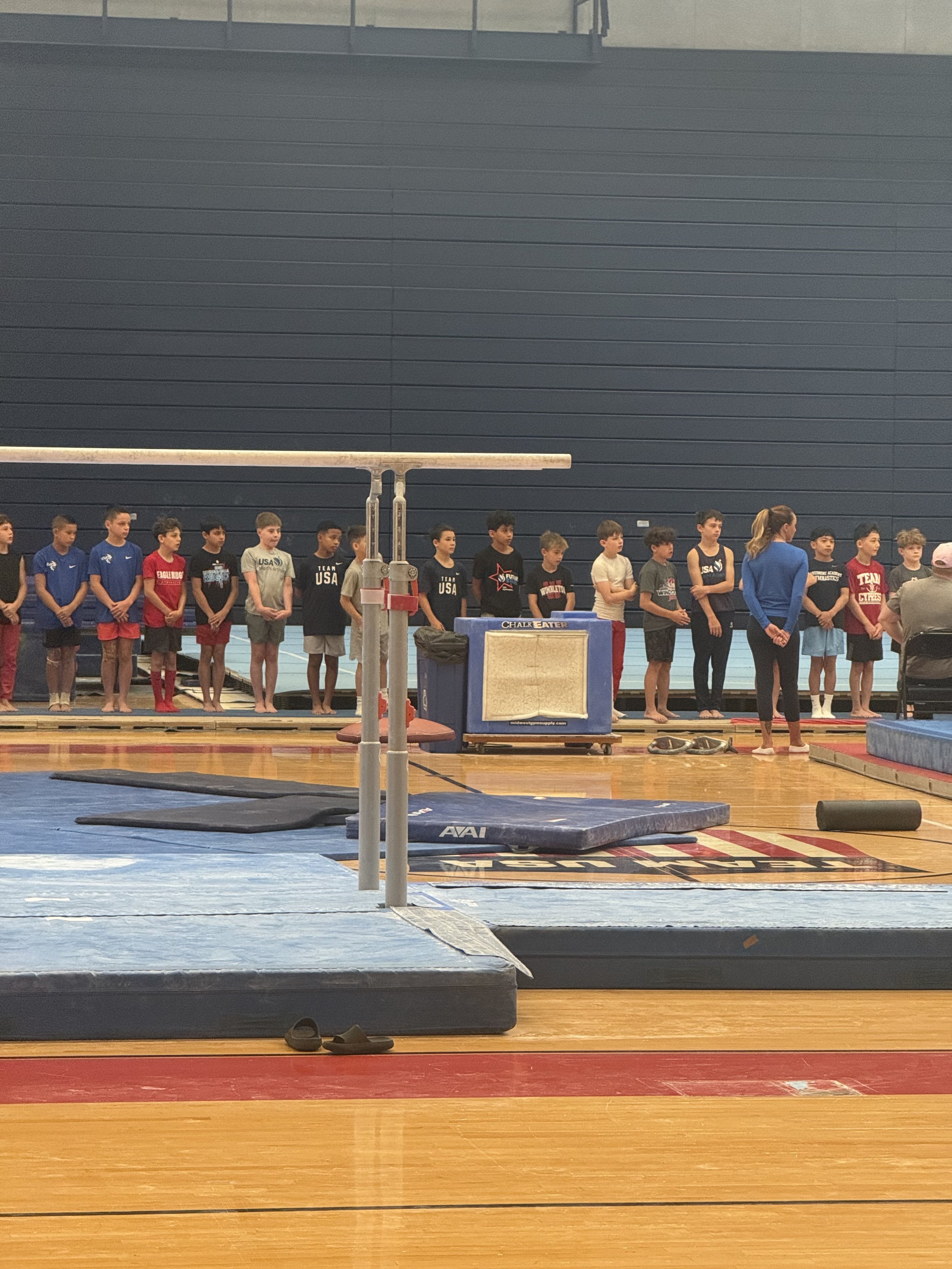
Yet this summer, I found myself standing beside my 10-year-old son, Rocket, as we walked through those very doors for the 2026 USA Gymnastics Future Stars Camp in Colorado Springs.
Rocket was quiet.
Normally, he's full of energy, talking nonstop and excited for whatever challenge comes next. This time was different. He was taking everything in.
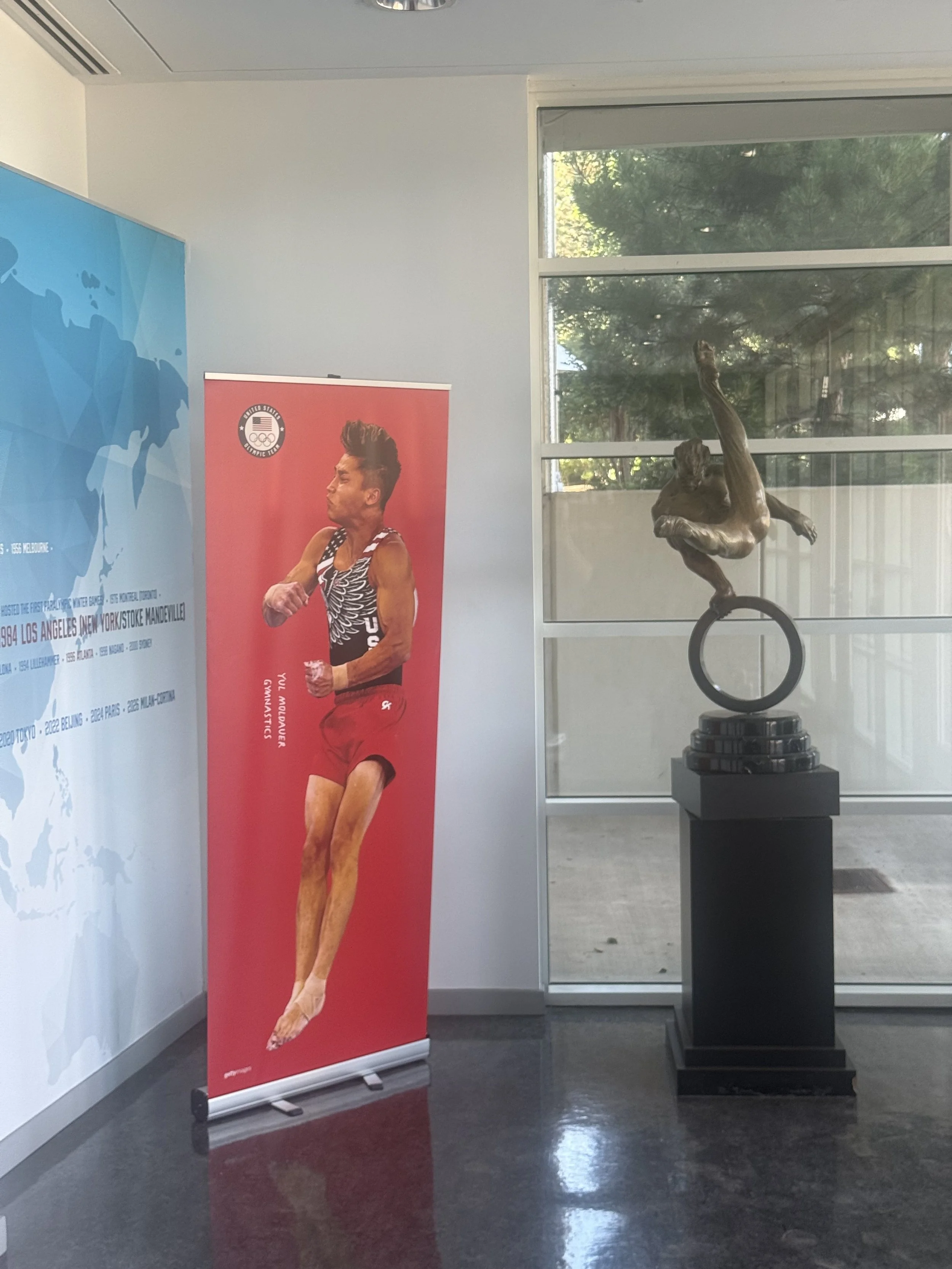
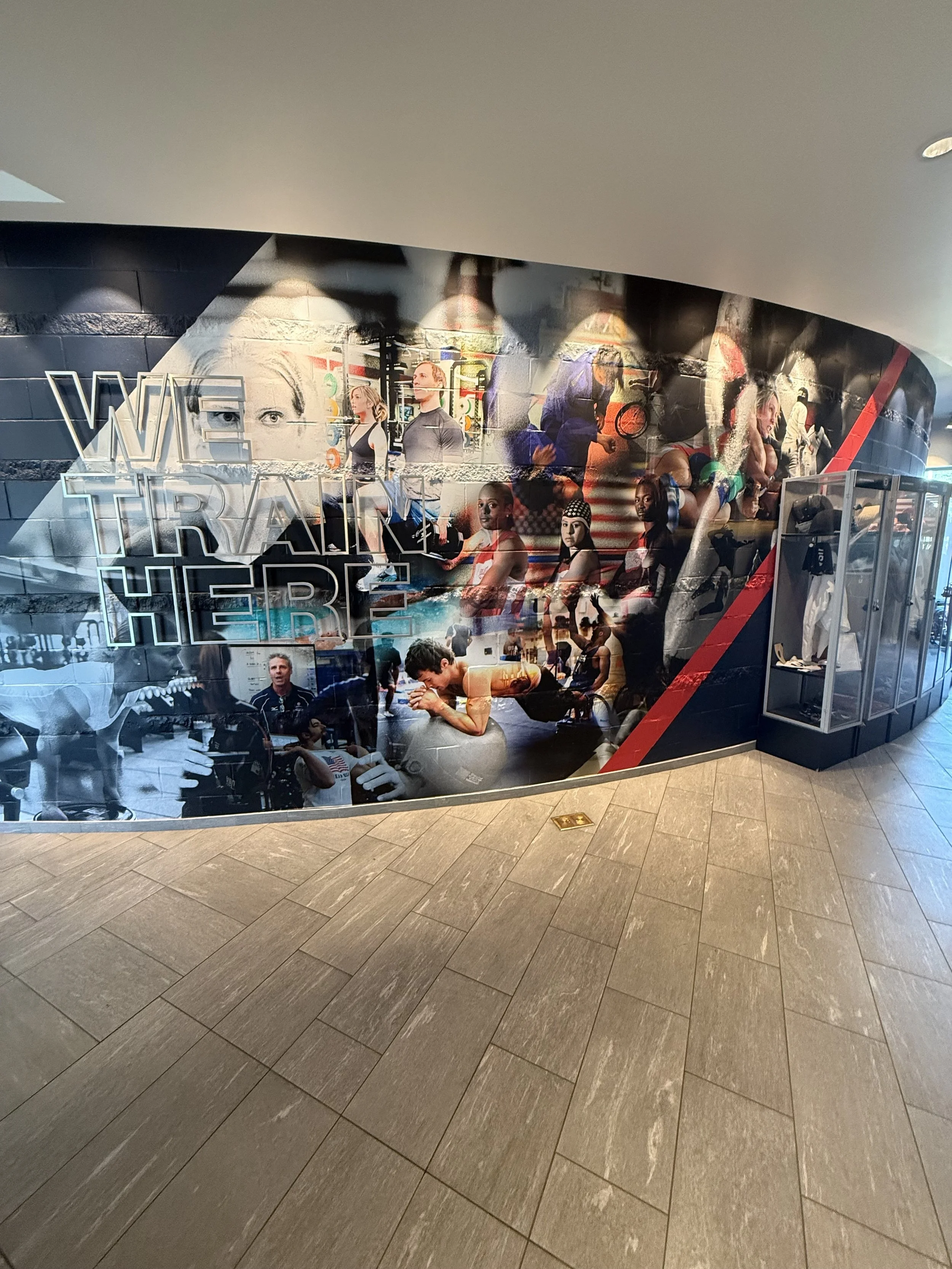
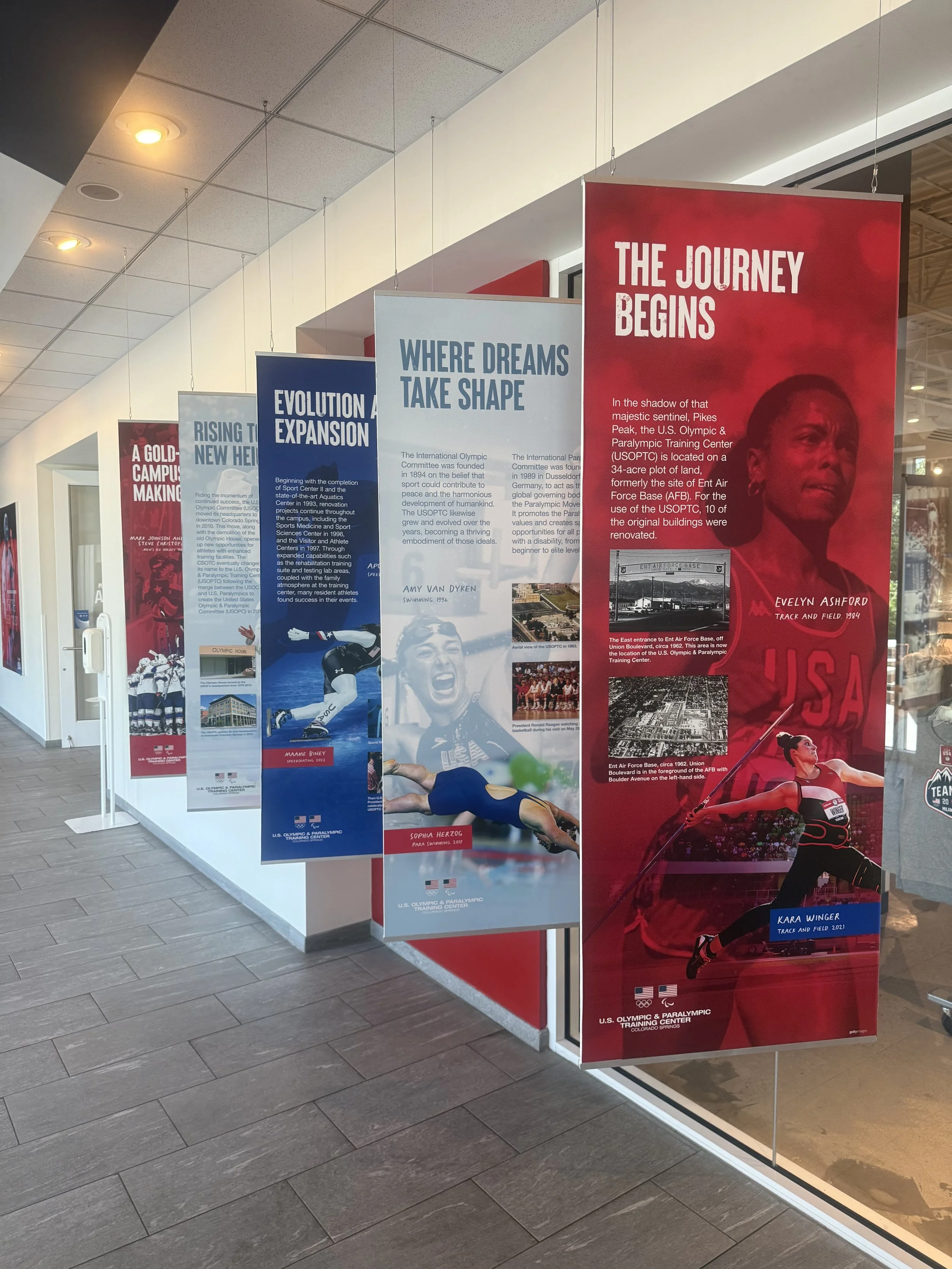
As we walked through the hallways lined with photos of Olympic athletes, you could see the nerves on his face. But underneath those nerves was something even bigger.
Inspiration.
For both of us, it was one of those moments you don't forget.
Just a few years earlier, Rocket had joined our competitive team. Before that, he was just another little kid who loved climbing on bars, jumping into foam pits, flipping on the couch at home, and pretending every obstacle course was an adventure.
Now he was entering one of the most prestigious training facilities in American sports.
As his dad, I was incredibly proud.
As one of his coaches, I was excited to watch him learn.
As the owner of Gyminny Kids and North County Gymnastics, I couldn't help but reflect on something much bigger.
This wasn't just Rocket's story.
It was a reminder that extraordinary journeys almost always begin with ordinary first steps.
If you've ever wondered what the USA Gymnastics Future Stars program is, how young athletes qualify, or what it's actually like to train at the U.S. Olympic & Paralympic Training Center, I hope this behind-the-scenes experience answers those questions. More importantly, I hope it reminds parents that while very few children will follow this exact path, the lessons that make great athletes, patience, strong fundamentals, great coaching, and a love for the sport, benefit every child who walks into a gymnastics gym.
What Is USA Gymnastics Future Stars?
One of the questions I've been asked most since returning home is:
"What exactly is Future Stars?"
The Future Stars Program is part of USA Gymnastics' men's artistic gymnastics developmental pathway. It identifies many of the nation's most promising young male gymnasts. It provides opportunities to prepare them for Junior Elite, Senior Elite, collegiate gymnastics, international competition, and potentially the Olympic Games. Athletes earn their way into the program by meeting rigorous age-based standards in strength, flexibility, physical abilities, and technical skill, making it one of the country's premier developmental pathways for young male gymnasts.
Notice something important about that sentence.
The goal isn't to create the best 10-year-old gymnast.
The goal is to develop athletes who can continue improving over the next 10 to 15 years.
That distinction matters.
Too often in youth sports, adults become focused on winning today instead of preparing children for tomorrow.
One of the things I appreciated most about the Future Stars National team was that their philosophy closely aligned with what we've believed at Gyminny Kids for years.
Develop the child first.
Develop the athlete second.
When you prioritize the whole child, amazing athletic accomplishments often follow naturally.
A Full-Circle Moment
One of my favorite memories from camp happened before the first practice even began.
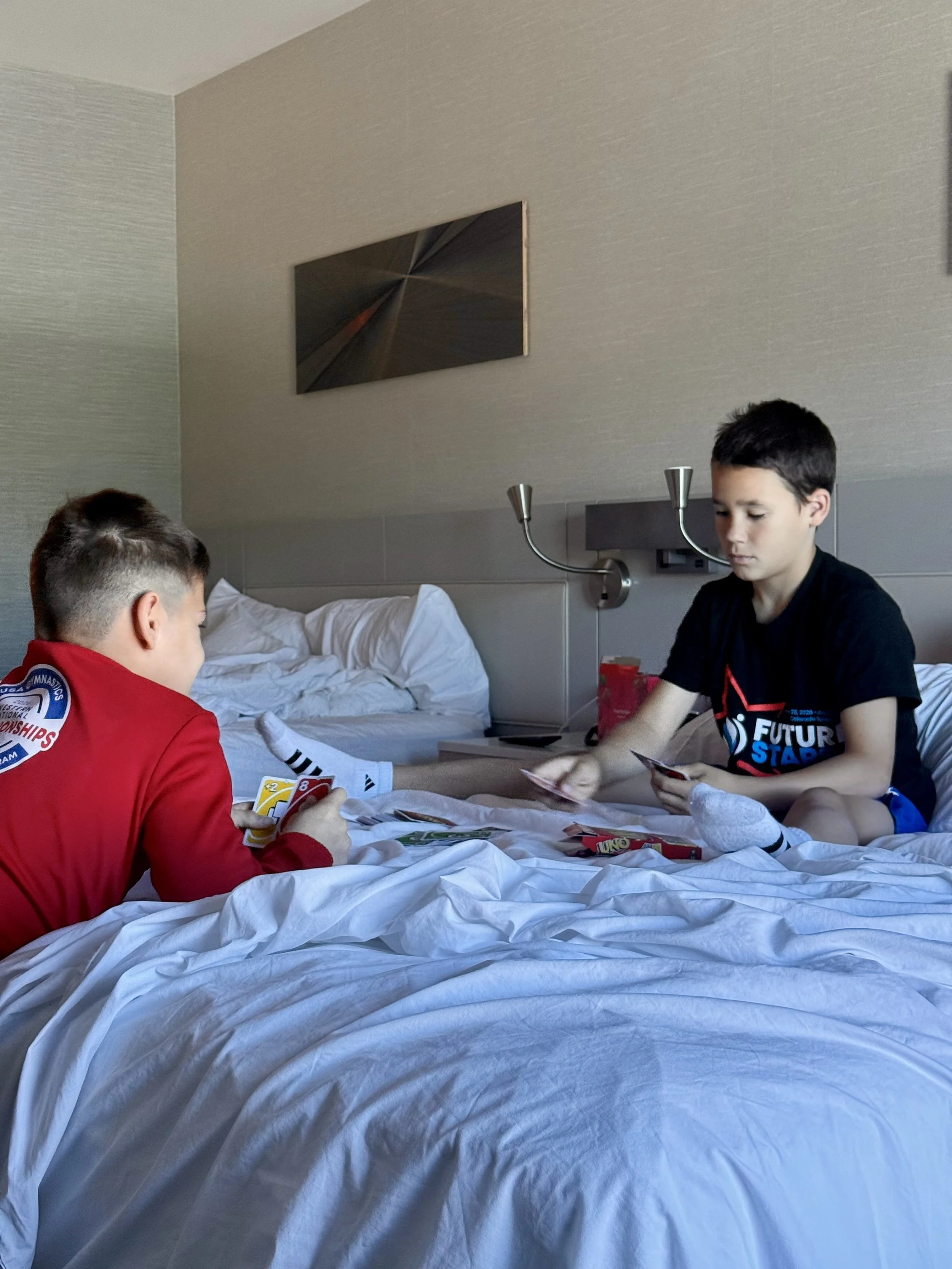
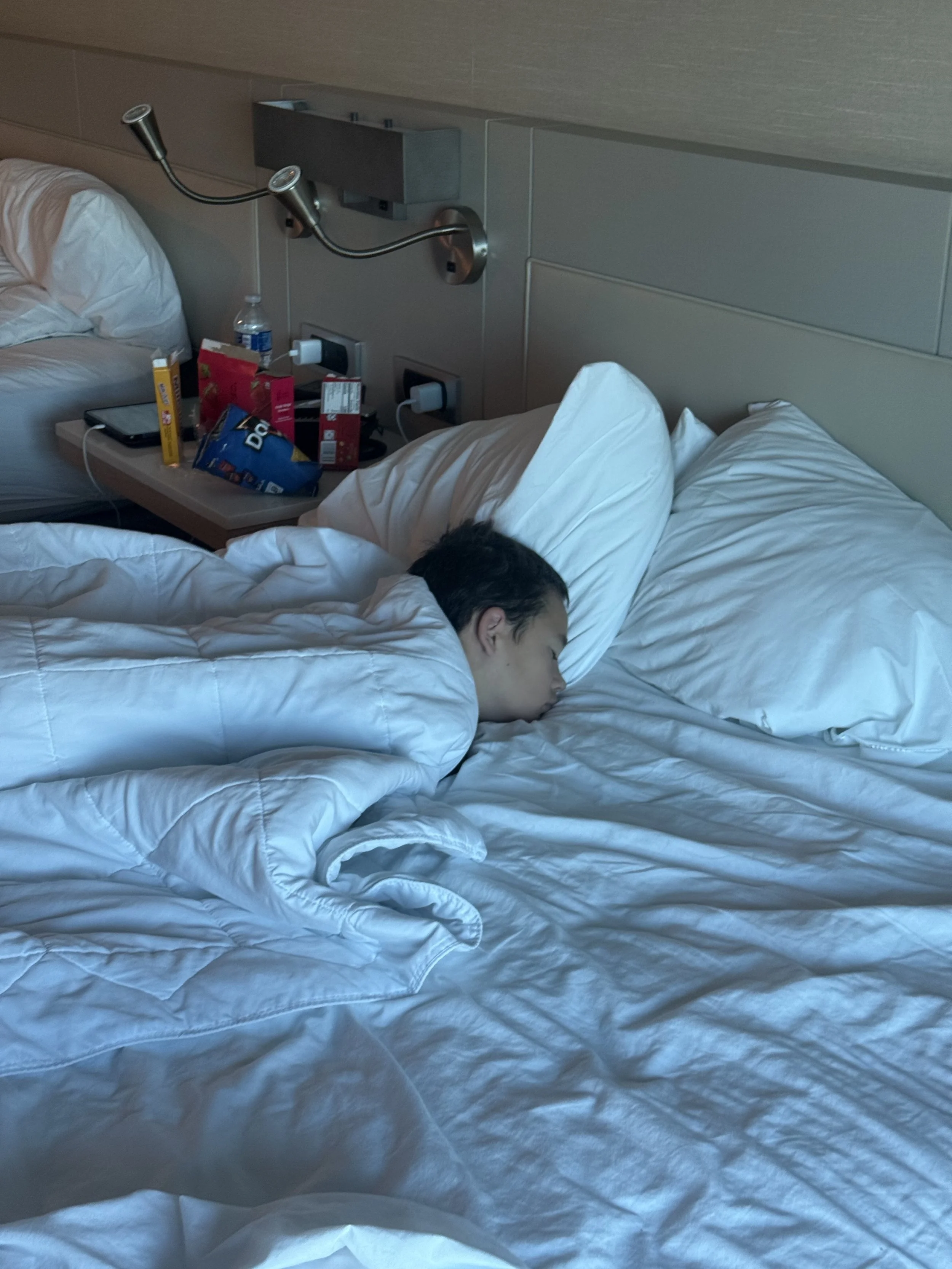
Rocket was assigned to a room with the son of former Olympian Jason Gatson.
Jason has become a friend over the years, but long before that, he was one of my gymnastics heroes. In fact, as a child, he was on my vision board next to my bed along with other top athletes at the time.
When I was growing up, athletes like Jason inspired kids like me.
I watched them compete.
I admired their work ethic.
I dreamed about doing gymnastics at a high level myself.
Fast forward to today.
Watching my own son room with Jason's son at the Olympic Training Center was one of those surreal, full-circle moments that make you stop and appreciate how small and special the gymnastics community really is.
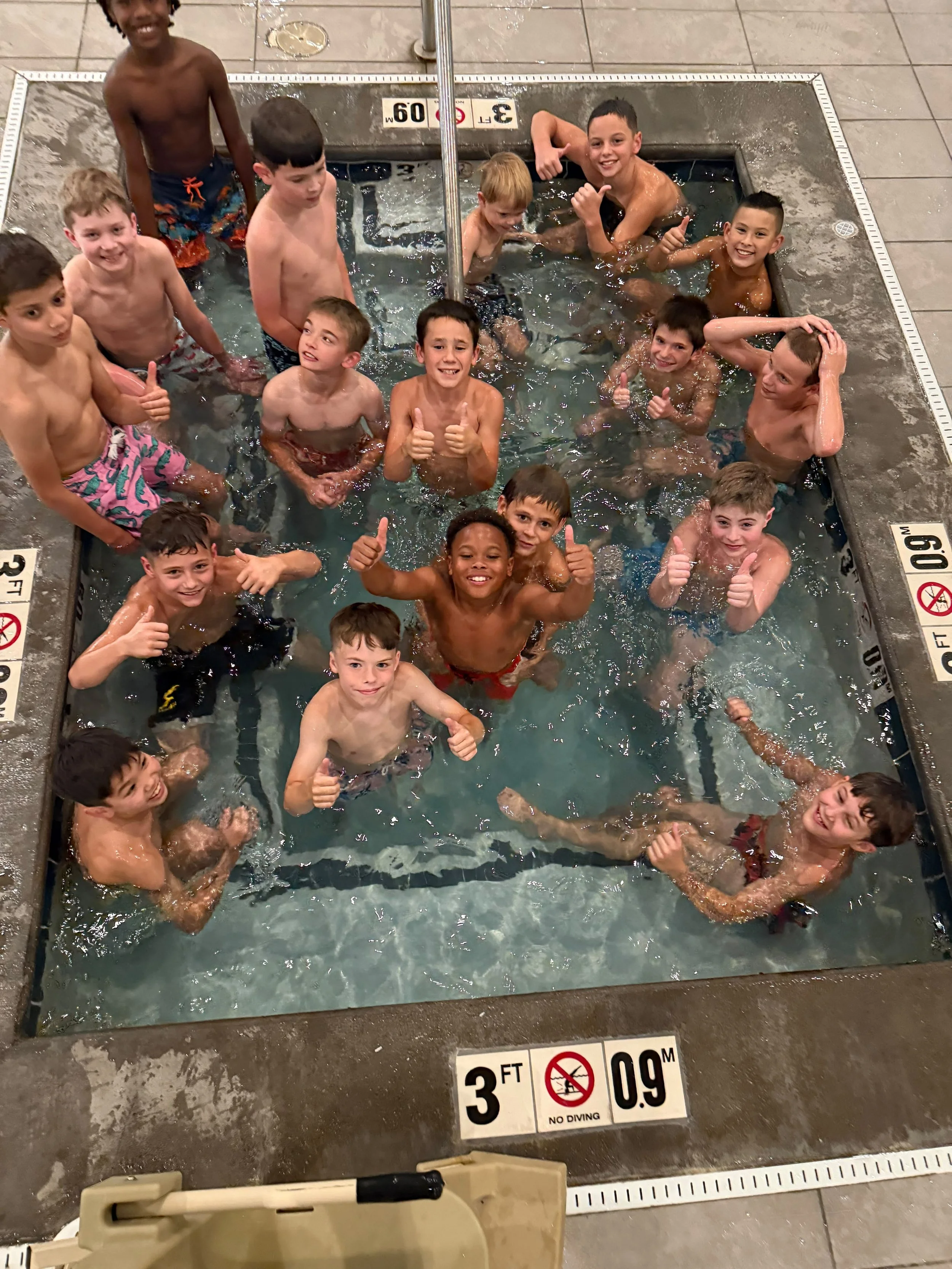
The boys became even better friends throughout the camp, and seeing that relationship grow reminded me that one of the greatest gifts gymnastics gives children isn't medals.
It's lifelong friendships and camaraderie built through sport.
Growing Beyond Gymnastics
For many of these young athletes, this wasn't just a gymnastics camp.
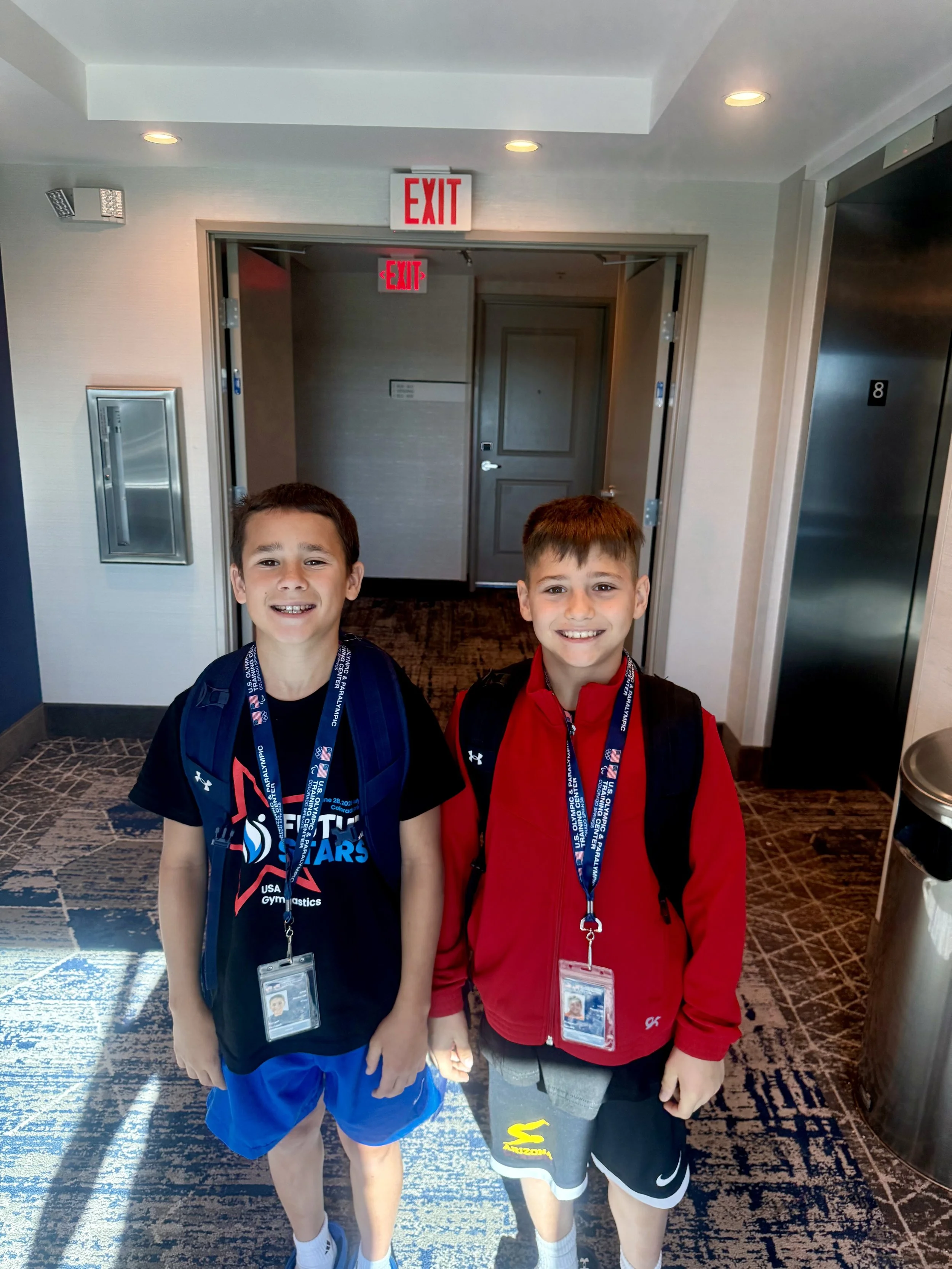
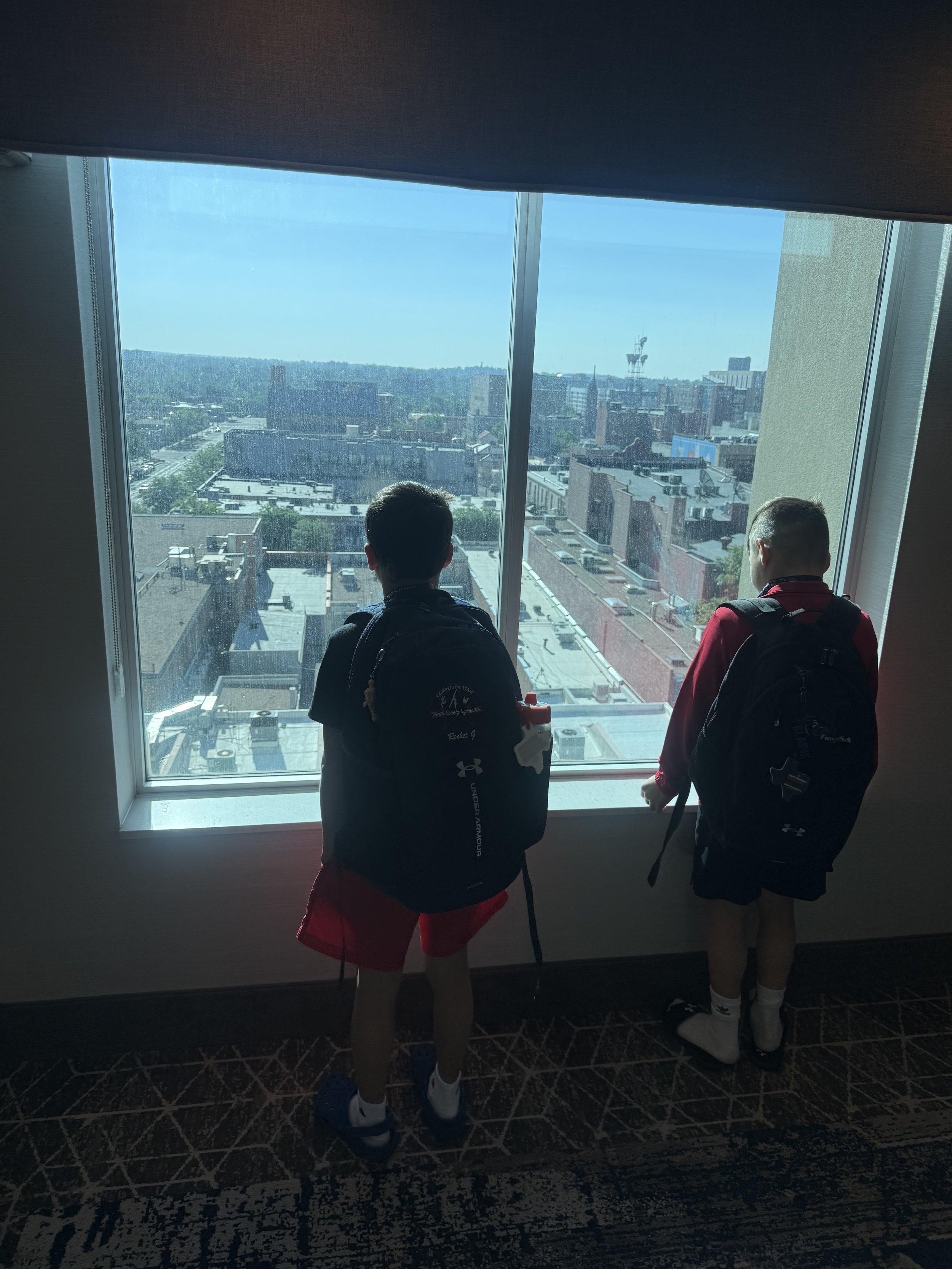
It was one of the first opportunities to experience real independence.
They were responsible for keeping track of their own room keys.
Setting their alarms.
Waking up on time.
Getting ready without mom or dad reminding them.
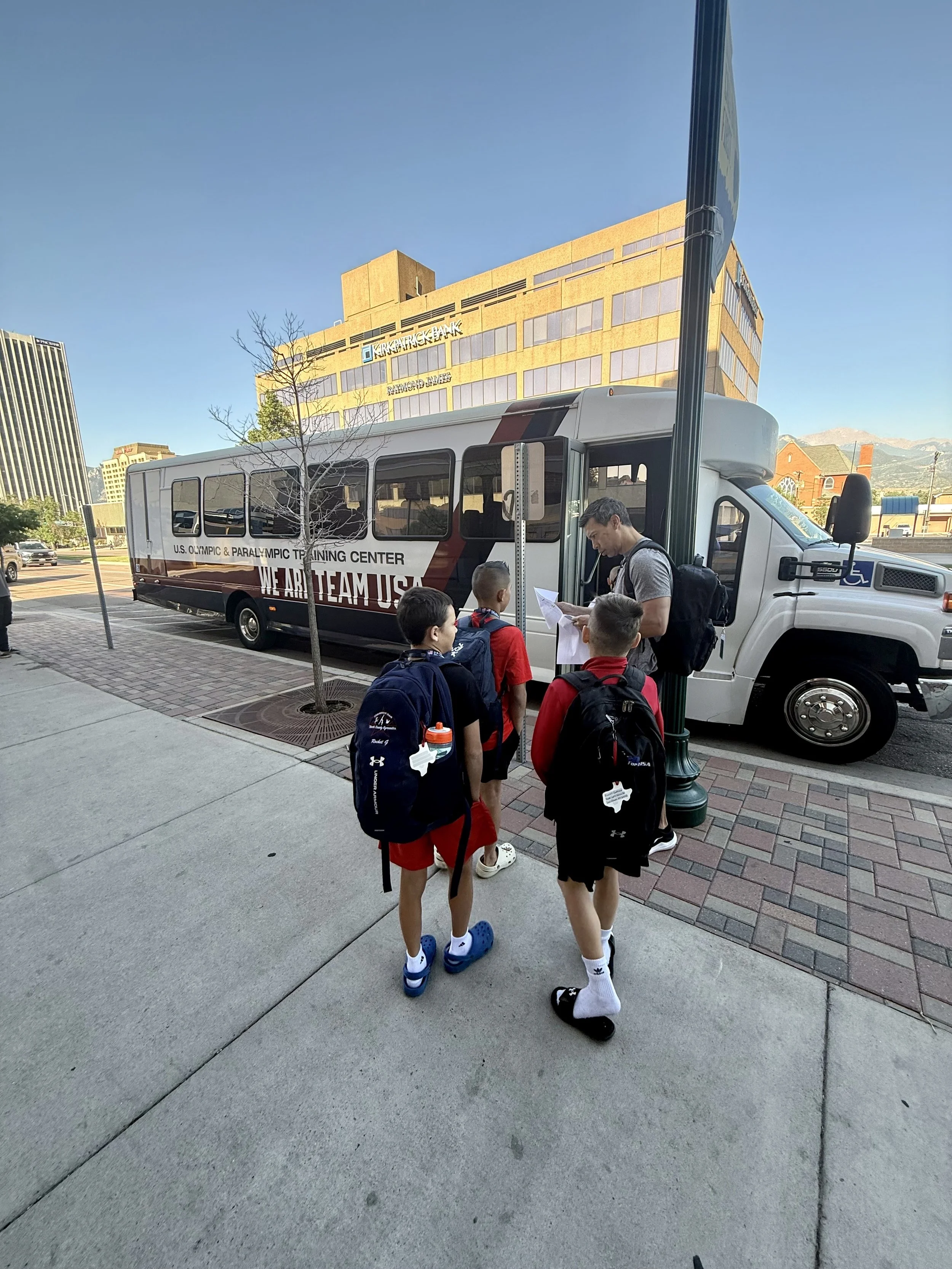
Boarding the Olympic bus each morning.
Managing their schedules.
Being accountable.
These might seem like small things, but they're very important, especially at ten years old. When I picked Rocket up at the end of camp, one of the first things I noticed wasn't a new gymnastics skill. It was the confidence with which he carried himself. He had spent the week taking responsibility for himself, and you could see that quiet confidence in the way he walked, talked, and approached the next challenge.
Gymnastics has always been about much more than flips.
The confidence and independence built from learning responsibility carry into school, careers, relationships, and life.
As parents, it's easy to focus on the skills our children are learning.
Sometimes the greatest lessons happen outside the gym.
Learning From the Best
Each morning, the athletes boarded buses from the hotel to the U.S. Olympic & Paralympic Training Center.
The days were full.
Approximately three hours of training in the morning.
Lunch together at the Olympic cafeteria.
Another three-hour training session in the afternoon.
Every event was coached by some of the best coaches and athletes in the country.
One of Rocket's personal highlights was learning on the high bar from Brody Malone, who was the high bar coach most of the time we were there.
Malone is highly regarded for pulling off one of the greatest comebacks in modern gymnastics. In March 2023, he suffered a catastrophic, potentially career-ending knee injury during a high bar dismount in Germany, fracturing his tibia and tearing multiple ligaments. After three major surgeries and essentially having to relearn how to walk, he triumphantly returned to elite competition just over a year later to win the 2024 U.S. National title and qualify for his second Olympic team. He followed this up in late 2025 by reclaiming his World high bar crown.
Watching one of America's best gymnasts interact with these young athletes was special.
Brody wasn't there to demonstrate difficult skills.
He was teaching details.
Body positions.
Timing.
Shapes.
The little things that separate good gymnastics from great gymnastics.
He was also encouraging the athletes to have fun and get off their devices in between sessions. He would jump into action and play football with the athletes before and after training sessions because you could tell he believed it was important for kids to be kids, even at this level.
Raj Bhavsar coordinated the camp, along with a few others, an Olympian whose passion for developing the next generation was evident throughout the week.
What impressed me wasn't just the talent in the room.
It was everyone's willingness to share knowledge that stood out to me. Nobody seemed interested in protecting secrets or proving they were the smartest person in the room. The focus was on helping these young athletes improve. As coaches, we spend our careers learning, and I probably came home with as many coaching notes as Rocket did. Some of the best coaching education doesn't happen in a classroom. It happens when you quietly observe great coaches doing what they do best.
The Moment We Realized Rocket Belonged
Every parent wonders, from time to time, whether their child is capable of reaching the next level.
There was one moment during camp when that question was answered for me.
Rocket was training floor exercise.
He was working on back layouts with triple twists and three-and-a-half twists.
One of the coaches made what appeared to be a very small correction.
He asked Rocket to separate his hands just a little wider during his roundoff.
That was it.
One tiny adjustment.
Rocket took off.
He shot almost straight into the air out of his roundoff with explosive height and control.
The coach immediately smiled, laughed, and clapped furiously.
"Dang, man… do you have springs in your body?"
The surrounding coaches and athletes noticed too.
There was clapping.
There were smiles.
There was encouragement.
As a dad, it's hard to describe what moments like that feel like.
You're proud of the skill, of course.
But what made me smile even more was the confidence it gave Rocket.
Like many young athletes, Rocket has gone through periods where he questioned whether he wanted to continue in gymnastics.
Burnout is real.
Pressure is real.
Learning to love the sport again is sometimes just as important as learning a new skill.
That moment reminded him that he belonged.
Sometimes, all it takes is one coach noticing something special in a child and taking the time to say it out loud. That moment lasted only a few seconds, but the confidence it gave Rocket lasted much longer. As coaches, we sometimes underestimate the power of our words. As parents, we never forget the moments when someone helps our child see what they're capable of.
Why the Best Coaches Still Start With the Basics
One of the biggest misconceptions in gymnastics is that elite athletes spend all day learning the hardest skills imaginable.
Yes, high-flying skills were being trained throughout camp. Watching these young athletes perform skills that most people will never attempt was impressive.
But that's not where the camp started.
It started with the basics on day 1.
In fact, after the first day, Rocket told me how sore he was. Not because he had been throwing huge release moves or twisting skills all day, but because they had spent so much time focusing on body positions, shaping, technique, flexibility, and perfecting the fundamentals.
I smiled when he told me that.
Why?
Because it reinforced something I've believed for years.
The best athletes in the world never outgrow the basics.
If anything, they become even more obsessed with them.
Every great coach that I've admired throughout my career has understood this principle. They know that difficult skills are built on thousands of small details done correctly over and over again.
Steve Butcher coached both my wife, Melanie, and me years ago, and over the decades, he has become a close family friend and one of my most trusted mentors. Few people have influenced men's gymnastics the way Steve has, but what I've appreciated most is his perspective on developing young athletes. He has taken a special interest in Rocket's journey, and we've had many conversations about how to help him reach his potential without losing sight of what matters most.
During the camp, Steve and I spoke on the phone about Rocket's progress. We talked about balancing ambition with patience, allowing kids to enjoy the process, and remembering that long-term development almost always produces better outcomes than chasing short-term results. It's a philosophy Steve has reinforced for years, and one that was echoed throughout every day of Future Stars.
It's easy to get excited about a child learning a new trick.
It's much harder to stay patient while they spend months improving a handstand, a hollow body position, or a tap swing. Or when they regress because of a growth spurt.
But those are the things that eventually separate good gymnasts from great ones.
One of the coaching philosophies we often share with our families at North County Gymnastics & the Gyminny Kids is:
Slow plus slow equals fast.
It sounds backward at first.
Parents naturally want to see progress. Children want to learn the next skill. Coaches get excited about watching athletes move up levels.
But when we rush the process, we usually end up slowing it down, which is something Steve occasionally reminds me of.
When we build patiently, the athlete eventually accelerates because their foundation is so much stronger.
"Full Send Day"
After the athletes had spent time refining fundamentals, they reached what quickly became Rocket's favorite part of camp.
The coaches called it "Full Send Day."
If you know Rocket, you'll understand why he loved it.
Rocket has never lacked courage and energy.
If anything, we've spent more time reminding him to slow down than encouraging him to speed up.
This was his opportunity to safely push himself under the guidance of some of the country's best coaches.
He worked on skills that, just a few years ago, would have seemed impossible.
Back layouts with triple twists.
Back layouts with three-and-a-half twists.
Double backs in the pike position.
Double fronts in the pike position.
A Tippelt on parallel bars.
Chinese taps on the high bar.
Watching him challenge himself while maintaining good technique reminded me that confidence isn't built by avoiding difficult things.
It's built by preparing so well that what's difficult becomes possible.
Developing More Than Great Gymnasts
As impressive as the gymnastics was, what impressed me most wasn't inside the gym.
It was everything surrounding it.
USA Gymnastics did an outstanding job taking care of the athletes as people.
Every detail felt intentional.
The communication was excellent.
The transportation was organized.
The staff made sure every athlete knew where they needed to be and when.
The environment felt positive, encouraging, and professional.
Just as importantly, the education extended far beyond gymnastics.
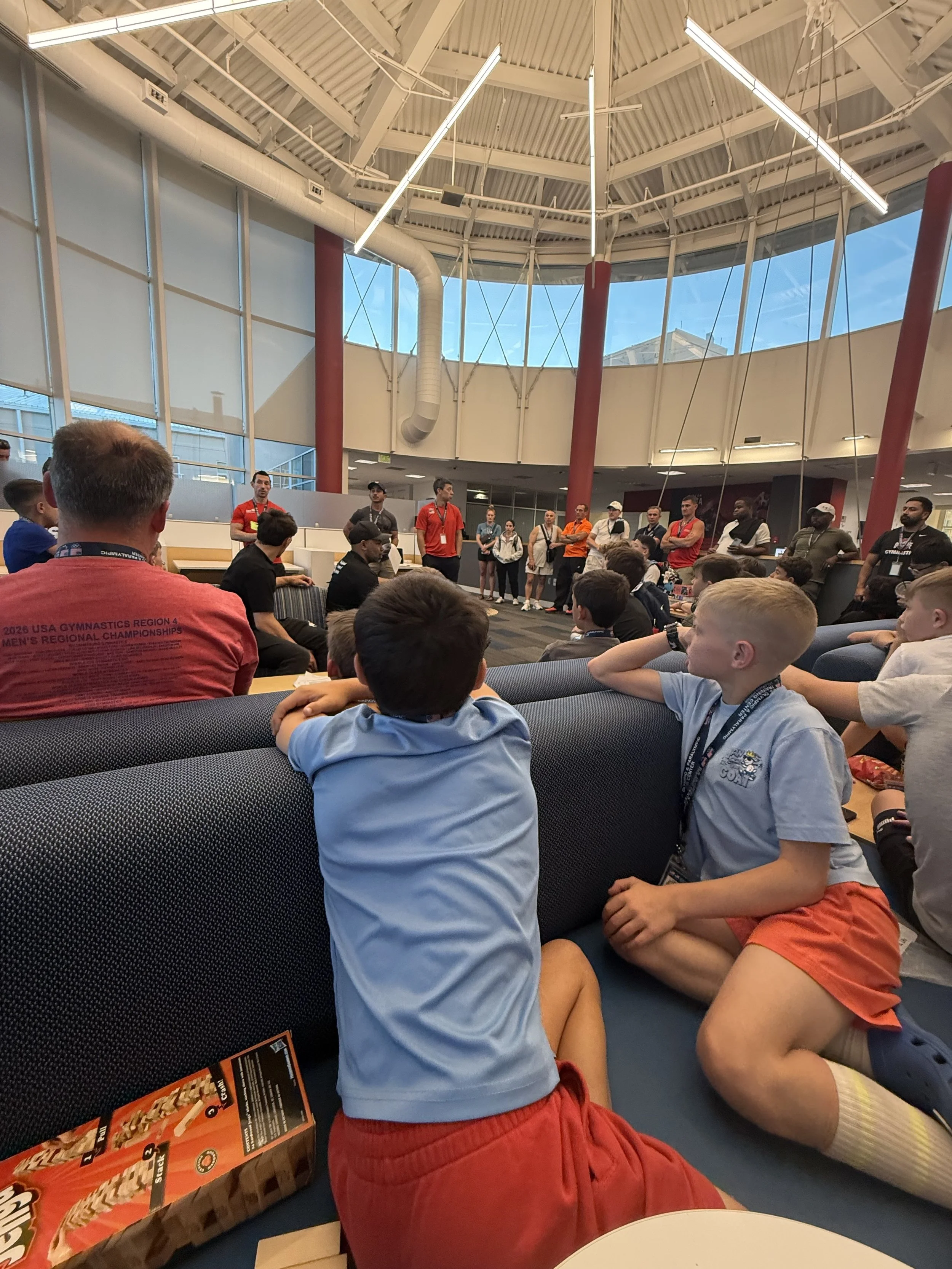
Throughout camp, athletes, parents, and coaches participated in presentations covering nutrition, sports psychology, long-term athlete development, and navigating the transition from youth athletics into high school, college, and beyond.
I especially appreciated the emphasis on mental health.
Gymnastics is a phenomenal sport.
It also demands a tremendous amount from young athletes.
The best programs recognize that emotional well-being is just as important as physical preparation.
The message throughout the camp was consistent:
This isn't a sprint.
As someone who's coached for more than two decades, I couldn't agree more.
The athletes who eventually reach the highest levels aren't always the ones who are winning at eight years old.
They're often the athletes who are still healthy, motivated, and in love with the sport at eighteen.
That's a very different goal.
The Olympic Museum
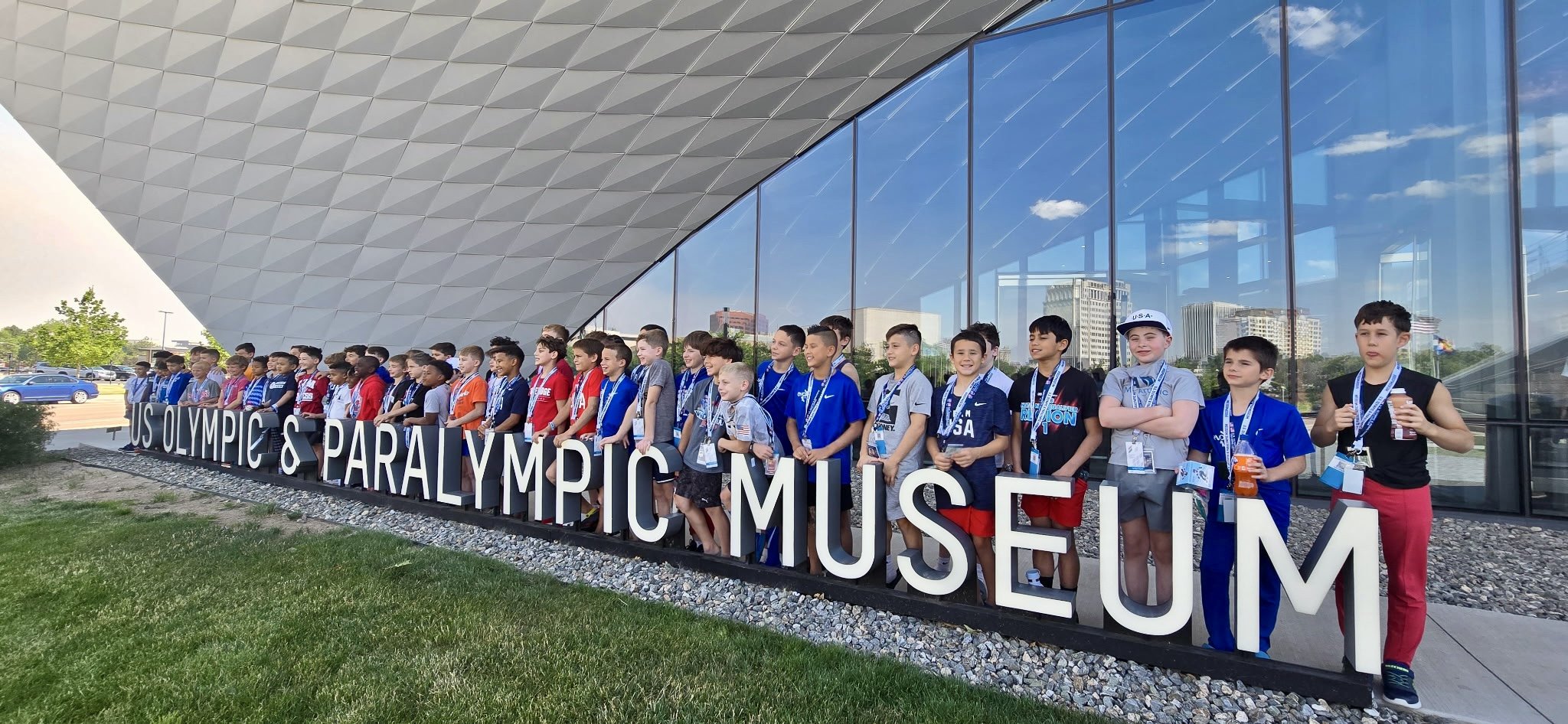
On the final day, instead of another afternoon workout, the athletes visited the U.S. Olympic & Paralympic Museum.
It was the perfect ending.
Walking through the exhibits, Rocket could see the history of the Olympic Games and how generations of athletes have inspired those who followed.
He looked at Olympic medals from different eras and watched the evolution of the Games over time.
There was even a track where the kids could hold foot races. Which they did and had a blast doing so!
It was another reminder that every Olympian was once just a young child with a dream.
Rocket Came Home Different
When we returned home, I noticed something almost immediately.
Rocket was different.
Not because he suddenly had new skills.
Not because he had trained with Olympians.
Because he believed.
The nervous little boy who walked into the Olympic Training Center had been replaced by a young athlete who now understood something important.
He belonged.
He came home more confident, motivated, and independent.
His goals hadn't changed.
He still dreams of competing at the highest levels of gymnastics.
The difference is that now those dreams feel tangible. Rocket has seen what that environment looks like. He has trained alongside other young athletes who share the same dream. He has learned from Olympians and some of the best coaches in the country. Most importantly, he came home understanding that the distance between where he is today and where he hopes to be one day isn't as impossible as it once seemed. There's still a tremendous amount of work ahead, but now he knows the path is real.
What This Means for Gyminny Kids
People sometimes ask me if our goal at Gyminny Kids is to produce elite gymnasts.
My answer usually surprises them.
No.
Our goal is to help children fall in love with coming to the gym. Thus, our mission statement. "Fun & Fitness."
Everything else grows from there.
When children genuinely love gymnastics, they're willing to work hard.
When they enjoy learning, they become more coachable.
When they become more coachable, they improve.
When they improve, confidence grows.
And when confidence grows, amazing things become possible.
That's true whether a child stays in recreational gymnastics for one year or eventually finds themselves training at the Olympic Training Center.
Our mission has never been to rush children toward medals.
Our mission is to build confident, resilient, respectful young people through the sport of gymnastics.
That philosophy is why we spend so much time teaching fundamentals.
It's why we encourage patience.
It's why we remind families that every athlete develops at a different pace.
And it's why we celebrate effort just as much as results.
The exciting part is that we've now watched this philosophy take athletes from parent-tot classes all the way to the national elite pathway.
That isn't because we skipped steps.
It's because we refused to.
A Final Thought for Parents
As I reflect on our time at Future Stars, one image keeps coming back to me.
It isn't Rocket throwing a triple twist.
It isn't watching the Olympians coach.
It isn't even walking through the Olympic Training Center.
It's remembering the little boy who used to look up at the older gymnasts with wide eyes, dreaming that one day he might get to do what they were doing.
That little boy is still there.
He happens to be wearing a national team shirt now.
Somewhere in one of our parent-tot classes today is another child taking their very first gymnastics class.
They're learning how to jump with two feet.
They're hanging from a bar for the first time.
They're balancing on a low beam.
Most of those children won't become elite gymnasts.
And that's perfectly okay.
If they leave our program more confident, more disciplined, more resilient, and better prepared for whatever life brings them, we've done our job.
But every once in a while, one of those children discovers a passion that carries them farther than anyone could have imagined.
Maybe they'll compete in high school.
Maybe they'll earn a college scholarship.
Maybe they'll represent Team USA.
Or maybe gymnastics will become one of the greatest chapters of their childhood.
Every one of those outcomes is a success.
As coaches, our responsibility isn't to predict how far a child's journey will take them.
Our responsibility is to make sure they love the journey enough to keep taking the next step.
Because extraordinary journeys rarely begin with Olympic dreams. They begin with a child who is excited to come back to gymnastics next week. They begin with a coach who notices potential, a parent who offers encouragement, a new skill that finally clicks, and a child who slowly begins to believe in themselves. Looking back, that's exactly how Rocket's journey started, not at the Olympic Training Center, but in a regular gymnastics class where he was having fun at Gyminny Kids.
Final Takeaway
One thing I hope parents remember after reading this story is that while very few children will one day walk through the doors of the Olympic & Paralympic Training Center, every child deserves coaching that believes in them, celebrates their progress, and helps them discover what they're capable of.
Whether a child spends one season in recreational gymnastics or eventually competes on the national stage, the lessons they learn, confidence, perseverance, responsibility, resilience, and fun, will stay with them long after their final routine.
Quick Links
• Competitive gymnastics training→]
• Register for a free trial class today→]
• How Gymnastics Teaches Teamwork→]
• Recreational versus team: which is better for my child?→]
• Learn more about GK's no registration or annual fees pricing model→]
• Gymnastics mindset training→]
• Why Families Choose Gyminny Kids→]
Where does North County Gymnastics train competitive athletes?
North County Gymnastics & The Gyminny Kids trains competitive gymnastics athletes at multiple San Diego locations, including:
Proudly Serving Families In:
• 4S Ranch
• Poway
• Carlsbad
• La Costa
FAQs
What is USA Gymnastics Future Stars?
USA Gymnastics Future Stars is a developmental program designed to identify and develop many of the nation's most promising young male gymnasts. Athletes receive advanced coaching and opportunities that prepare them for Junior Elite, collegiate, international, and potentially Olympic competition.
At what age can gymnasts participate in Future Stars?
Athletes typically qualify at young ages by meeting specific physical, strength, flexibility, and skill requirements established by USA Gymnastics.
Is Future Stars only for elite gymnasts?
Future Stars is designed for athletes who have demonstrated exceptional potential, but its purpose is long-term development, not immediate elite competition. The emphasis is on building fundamentals and preparing athletes for future success.
How do gymnasts qualify for Future Stars?
Qualification involves achieving required scores during Future Stars testing and competitions while demonstrating strength, flexibility, technique, and age-appropriate skill development.
Does recreational gymnastics help children become elite athletes?
Absolutely. Every elite gymnast begins somewhere. A quality recreational program builds strength, coordination, confidence, discipline, and a love for the sport, creating the foundation for future competitive opportunities.
Why are fundamentals so important in gymnastics?
Strong fundamentals create safer athletes and allow gymnasts to learn advanced skills more efficiently over time. Even Olympic gymnasts spend significant time refining basic technique.
How can parents best support a young gymnast?
Parents can help by encouraging effort over results, celebrating progress, maintaining perspective, supporting healthy habits, and remembering that long-term athlete development is a marathon, not a sprint.
Where can my child start in competitive gymnastics if they're interested?
Every competitive gymnast begins by learning strong fundamentals. At Gyminny Kids and North County Gymnastics, children can begin in age-appropriate recreational classes before progressing to pre-team and competitive programs if they're ready. Our focus is on helping every child build confidence, develop great technique, and enjoy the journey, regardless of how far they choose to take the sport.
Key Takeaways
Elite gymnastics begins with outstanding fundamentals.
Confidence is built through consistent coaching and positive experiences.
Long-term development is more important than early success.
Great gymnastics programs develop the whole child, not just difficult skills.
Character, patience, and fun create better athletes and happier children.
Every child's journey is unique, and success looks different for every family.
Author Bio
About the Author
Daniel Gundert is the Owner and CEO of Gyminny Kids and North County Gymnastics, one of Southern California's largest gymnastics organizations, serving thousands of students each week across multiple locations.
A former competitive gymnast, USA Gymnastics coach, and certified men's and women's gymnastics judge, Daniel has spent more than two decades helping children build confidence, character, and resilience through gymnastics. His passion extends beyond developing successful athletes; he believes gymnastics is one of the greatest tools for helping children become confident, capable young adults.
As a father of six, including multiple competitive gymnasts, Daniel brings both professional expertise and personal experience to every article he writes.