

Understanding Gymnastics Scoring: A Former Gymnast, Coach, Parent, Gym Owner, and Judge Explains What Parents Should Really Focus On






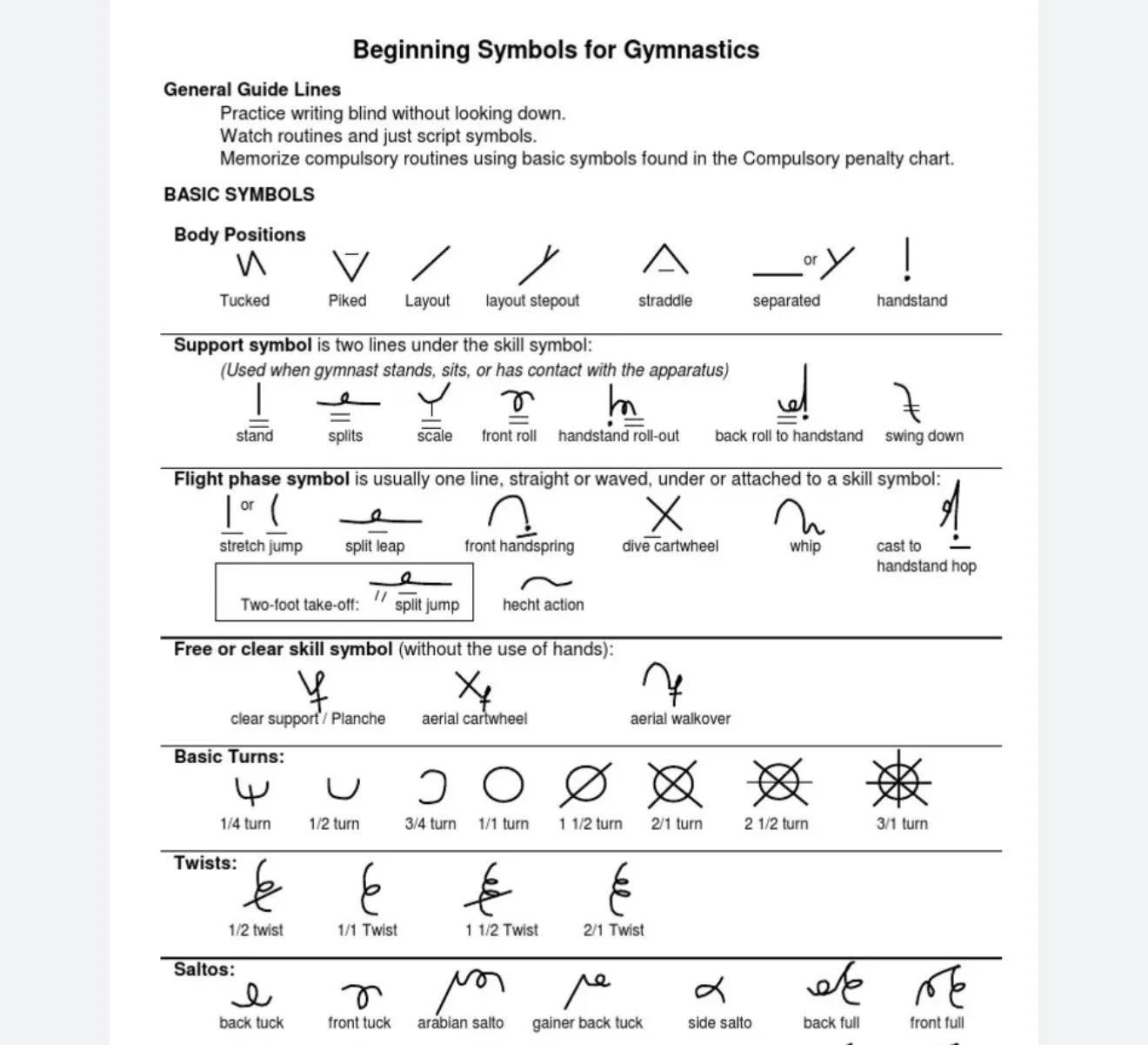
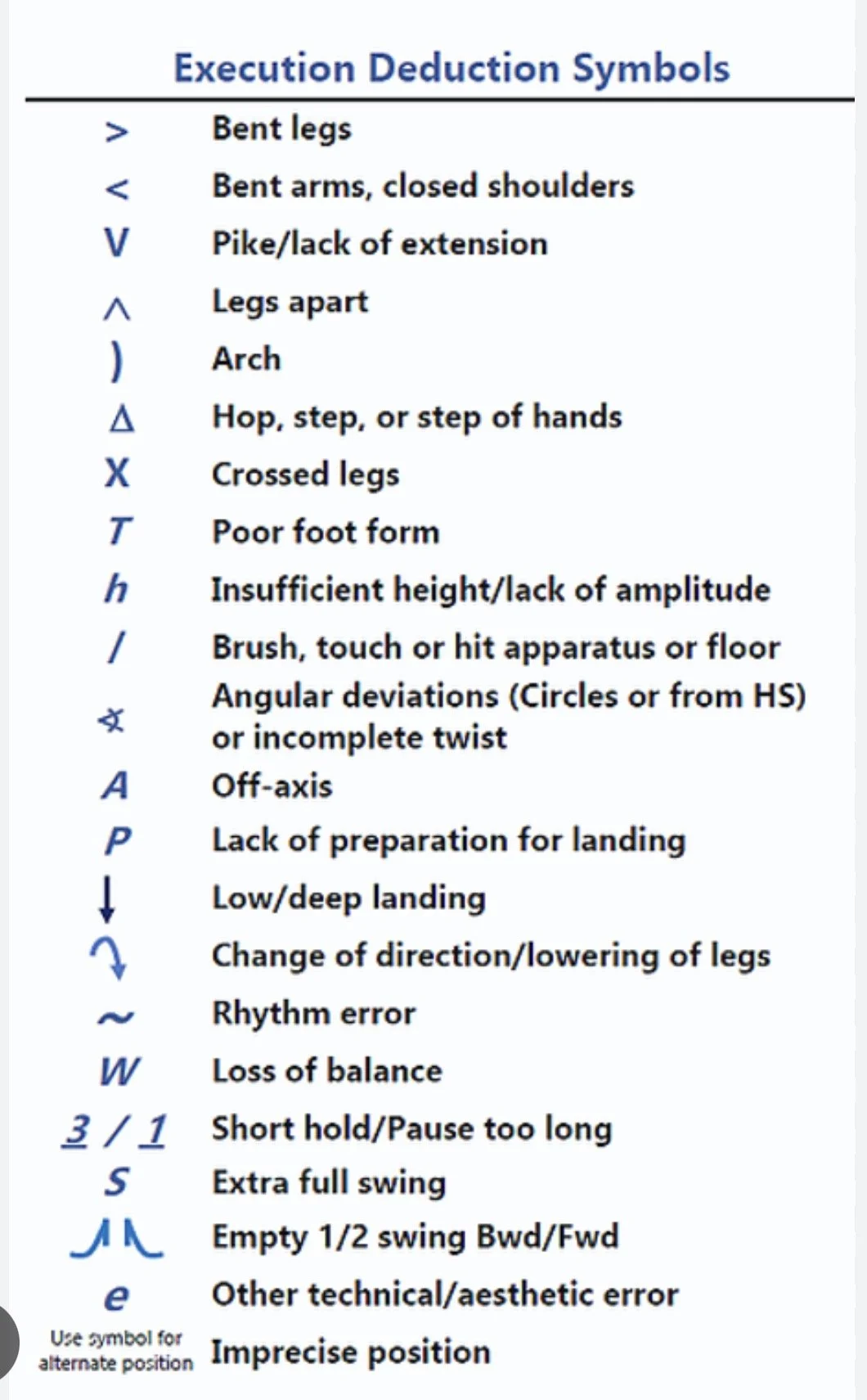
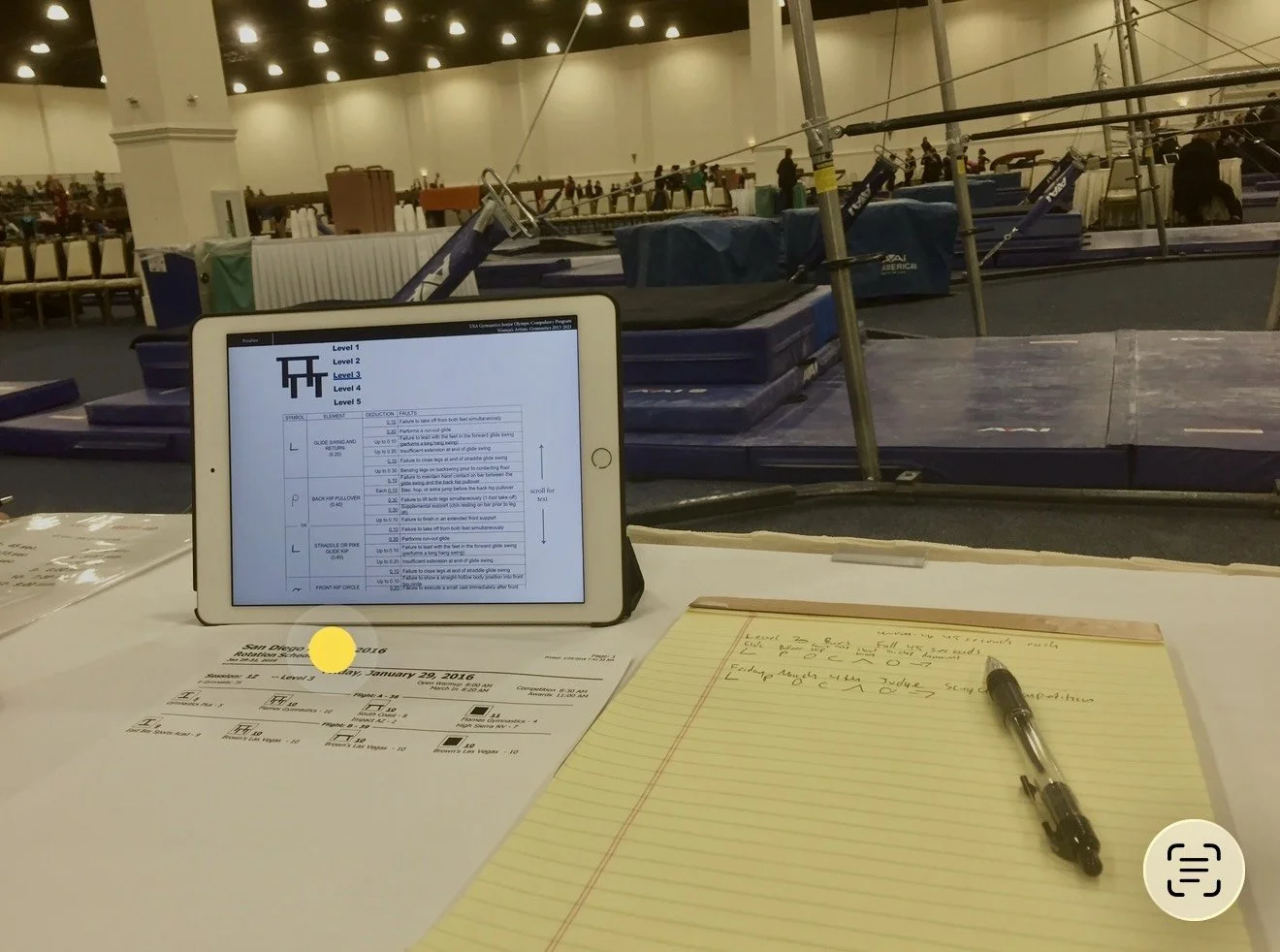

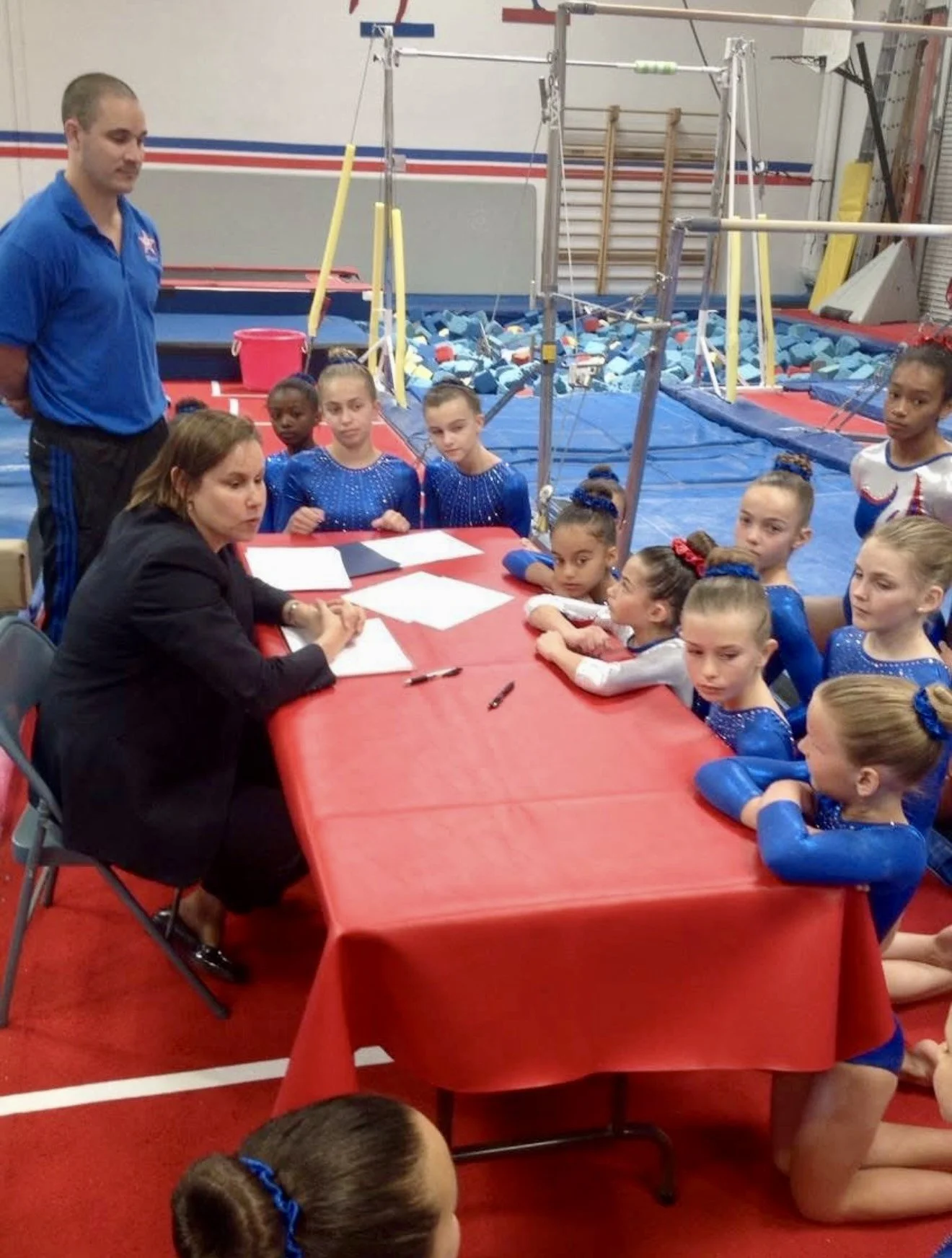




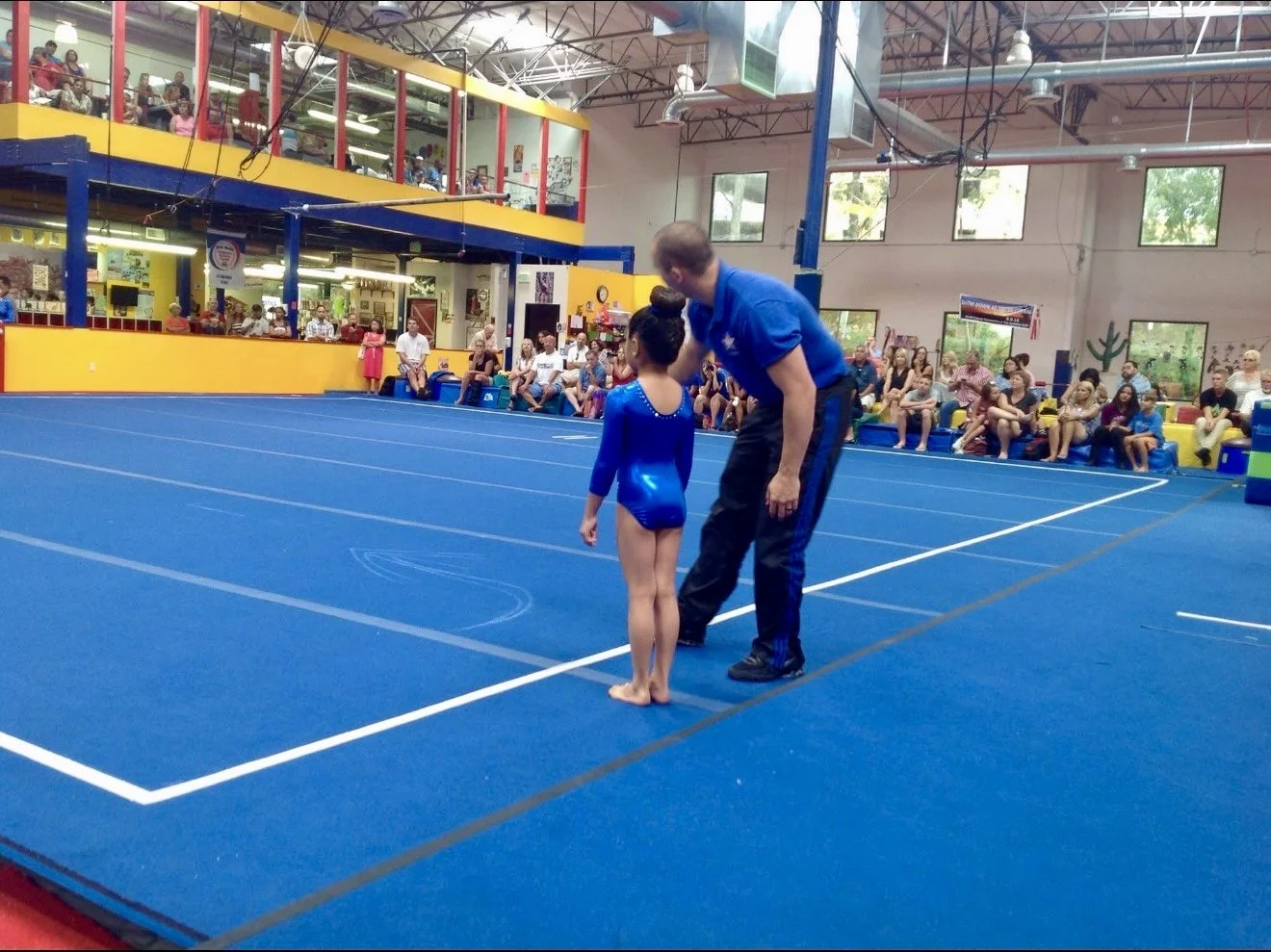

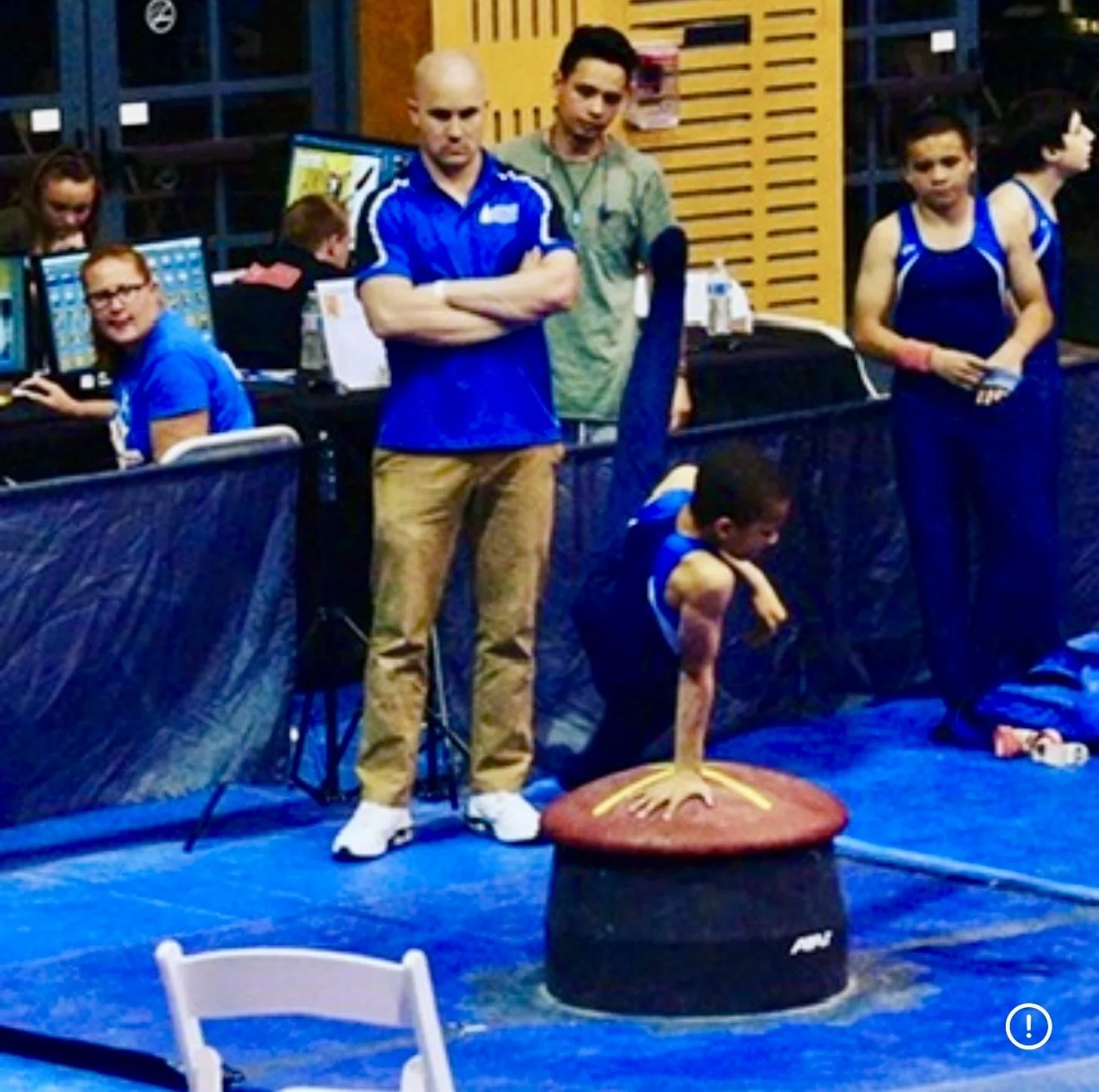




If you've ever sat in the stands at a gymnastics meet wondering how one gymnast scored an 8.8 while another earned a 9.5 when both routines looked almost identical, you're not alone. It's one of the most common questions parents ask, especially during the compulsory levels.
I understand why.
Back around 2010, after spending years coaching gymnastics, I decided to become a certified USA Gymnastics judge. I didn't pursue judging because I wanted to spend my weekends at competitions. I became a judge because I wanted to become a better coach.
My belief was:
With a clearer understanding of the rules and how judges evaluate routines, I can better prepare my athletes and better educate the families in our program.
Over the years, I earned judging credentials for both men's and women's gymnastics and have judged thousands of routines alongside many of Southern California's veteran judges. That experience gave me a completely different perspective on how gymnastics is scored and why parents sometimes struggle to understand the numbers.
The biggest lesson I learned is this:
The score matters far less than the performance.
Why Gymnastics Scores Sometimes Vary
One thing many parents don't realize is that judging isn't always black-and-white.
For many deductions, judges are given a range. A mistake might be worth up to 2 tenths or up to 3 tenths in half-tenth increments for girls and one-tenth increments for boys, depending on its severity. One judge may see a small form break, while another may see it as slightly larger. Both judges are still following the rules.
On the girls' side, most competitions use two judges. If one judge scores slightly higher and the other slightly lower, averaging those scores usually yields a very accurate result. On the boys' side, many regular-season meets use only one judge, whereas larger championship competitions like State, Regionals, and Nationals use multiple judges.
No judging system is perfect, but overall, it does a very good job of rewarding the athletes who performed the best that day, and that is what's important:
The judges place the gymnast correctly.
The best gymnast that day should receive first, the next best second, and so on.
Why Parents Can't Always See the Difference
One of the most common situations I see happens after a compulsory competition.
A parent watches their child perform what appears to be a beautiful routine. They receive an 8.7. The next gymnast earns a 9.5, yet both routines looked nearly identical from the stands.
The reality is that parents often can't see the small details judges are trained to recognize. That's completely normal.
Judges are looking at body alignment, leg separation, bent knees, bent arms, pointed toes, rhythm, body position, hand placement, balance checks, landings, and dozens of other technical details that happen within fractions of a second.
A half tenth here and two tenths there add up quickly.
Those small details often separate an 8.7 from a 9.5.
Developing the ability to recognize those differences takes years of coaching, judging, and studying the rules.
Vault Is One of the Most Misunderstood Events
Vault is probably the event that confuses parents the most.
A vault can look fast, powerful, and exciting, yet receive a score that surprises everyone in the stands.
That's because judges aren't just evaluating whether the gymnast made the vault.
They're evaluating the entire vault from beginning to end.
They're looking for acceleration during the run.
They're evaluating the pre-flight from the springboard to the vault table.
They're evaluating the support phase while the gymnast is upside down.
They're evaluating the post-flight after leaving the table.
They're evaluating body position throughout each phase, including straight body alignment, shoulder angle, hip position, head position, dynamics, and finally, the landing.
A slight body break during multiple phases can create deductions throughout the vault, even if most spectators never notice them.
Trust Your Coaches
One question I hear fairly often after competitions is:
"Does the coach know what my child did wrong?"
The answer is almost always yes.
Your coaches watched the routine.
They know where deductions occurred.
More importantly, they've probably been working on those exact corrections for weeks, if not months, during practice.
Parents don't need to worry about diagnosing routines after every competition because that's already happening inside the gym every single day.
That's our job.
Trust us to coach. Your child needs you to be Mom or Dad.
Your job is to cheer for your child and, at the end of the meet, let them know how much you enjoyed watching them compete.
My rule of thumb as a parent, and occasionally their coach, with five of my kids currently competing at NCG (since I sometimes wear multiple hats at North County Gymnastics), is that I don't talk about gymnastics at home or on the drive home unless they bring it up first. Otherwise, the pressure follows them from the gym to home. In my experience, parents who become too involved in their child's gymnastics journey often contribute to burnout and mental blocks.
I choose to trust the coaches and the process. If they need to tell me something important about my child, I know they'll reach out.
Likewise, if I have a concern, the NCG coaches and team administrators are always accessible. Open communication is essential in a sport where athletes literally trust their coaches with their safety every time they perform high-flying skills.
Ignore the Scoreboard
One of my favorite coaching philosophies comes from legendary football coach Nick Saban:
"Ignore the scoreboard. Do your job at the highest level, and the wins will follow."
I believe that applies perfectly to gymnastics.
The moment an athlete becomes focused on the score instead of the performance, they're focusing on something they cannot control.
The judges determine the score.
The athlete controls their preparation, attitude, confidence, effort, and execution.
I've seen athletes receive a lower score than expected in their first event, become discouraged, and let that disappointment affect every subsequent event.
Ironically, there have been times when those same athletes ended up winning the event anyway because the judging panel scored the entire rotation more tightly than expected.
I have also seen many athletes fall on thier first event, keep a positive attitude, and go on to nail thier remaining events and win first place in the all-around. One major deduction does not always disqualify an athlete from achieving a top-three all-around finish with the right mindset.
The lesson is:
Don't let one number define an entire competition.
You can complete a better routine, receive a lower score, and still come in first on that event. I have seen this play out with my children countless times over the years.
High Scores Can Be Misleading Too
Parents often assume higher scores are always better.
Not necessarily.
I've seen athletes compete in states where judging tends to be more generous. Everyone leaves feeling great after posting huge scores.
Then they return to Southern California, one of the most competitive gymnastics regions in the country, and suddenly those same routines score several tenths lower, sometimes more than a few tenths.
Gymnastics judging in California is widely perceived as more difficult and stringent due to the high concentration of elite-level clubs and large, competitive meet sessions. Because California hosts some of the deepest talent pools in the country, judges must be hyper-critical in their deductions to properly differentiate between highly skilled athletes.
Nothing changed except the judging standard. In fact, sometimes, the routine is better, and the score is still lower.
If athletes become emotionally attached to a specific number, anything lower begins to feel like failure, even when they performed just as well or better.
That's why consistency matters more than generosity.
As coaches, we'd much rather have accurate judging than inflated scores.
I'll say it again.
Ignore the scoreboard. Do your job at the highest level, and the wins will follow.
Practice Creates Better Scores
If athletes want higher scores, the answer isn't worrying about judges.
The answer is improving practice habits.
One of our mantras at NCG is:
"Practice like you compete"
Practice with focus.
Practice with great effort.
Practice like you're competing.
When athletes learn to perform consistently in practice, competition becomes another opportunity to do what they've already done hundreds of times before. A stuck routine in competition feels like de ja vu because that's how they have practiced it thousands of times before.
Confidence comes from preparation.
Preparation produces better performances.
Better performances usually produce better scores.
One more time.
"Practice like you compete."
The Message I Hope Every Parent Takes Home
As both a longtime coach and a gymnastics judge, here's the advice I give every family.
Love watching your child compete.
Celebrate their effort.
Celebrate their courage.
Celebrate their improvement.
Trust that your coaches understand the corrections that need to be made.
Assume positive intent and trust that judges are doing their best to evaluate every athlete fairly.
Most importantly, don't let one score determine whether the day was successful.
Gymnastics is one of the most technically demanding sports in the world.
Learning the sport takes years. Learning to judge takes years as well.
The athletes who enjoy the sport the longest are usually the ones who learn that success isn't measured by a single number on the scoreboard.
It's measured by showing up, trusting the process, working hard in practice, competing with confidence, and becoming a little better every day.
If athletes continue doing their job at the highest level, the scores, medals, and championships usually take care of themselves.
Competition Is a Metaphor for Life
At the end of the day, gymnastics is about so much more than gymnastics.
The score, the medal, the podium, and the rankings will all be forgotten someday. What won't be forgotten are the character traits our children develop along the way.
Every practice teaches discipline.
Every correction teaches humility.
Every setback teaches resilience.
Every competition teaches courage.
Learning to perform under pressure, accept feedback, overcome disappointment, celebrate others' success, and keep showing up after mistakes are life skills that will serve our children long after their competitive careers are over.
That's why I often say that competition is simply a metaphor for life.
As parents, our goal shouldn't be to raise children who always earn the highest scores. Our goal should be to raise young men and women who work hard, stay humble, persevere through adversity, and continue striving to become the best version of themselves.
If gymnastics helps them become more confident, more resilient, more disciplined, and more compassionate people, then they've already won, regardless of what the scoreboard says.
Years from now, your child probably won't remember every score they received. But they'll remember the lessons they learned, the friendships they built, the confidence they gained, the coaches who believed in them, and the parents who loved and supported them every step of the way.
And in the end, that's what truly matters.
Quick Links
• Register for a free trial class today→]
• A NCG Team Parent's Perspective →]
• Competitive gymnastics: Playing The Long Game→]
• Competitive gymnastics training→]
• Gymnastics mindset training→]
• Adaptive gymnastics classes at Gyminny Kids→]
• Learn more about GK's no registration or annual fees pricing model→]
• Why Families Choose Gyminny Kids→]
Proudly Serving Families In:
• 4S Ranch
• Poway
• Carlsbad
• La Costa
Frequently Asked Questions
Why do gymnastics judges sometimes give different scores?
Many deductions allow judges a range based on the severity of the error. In women's gymnastics, two judges typically score independently, and their scores are averaged to produce a fair final score.
Why can't parents always tell the difference between an 8.8 and a 9.5?
Judges are trained to recognize small technical details such as body alignment, bent knees, pointed toes, rhythm, balance checks, and execution. Those details often aren't obvious to spectators.
Should I ask my child's coach why they received a certain score?
Coaches are already analyzing every routine and working on corrections during practice. Rather than focusing on a single competition score, trust your coach's long-term development plan.
What should parents focus on during competitions?
Focus on your child's effort, confidence, sportsmanship, improvement, and enjoyment of the sport rather than the number on the scoreboard.
Do judges have favorite gyms or athletes?
In my experience, having judged alongside many outstanding officials over the years, judges work hard to evaluate each routine fairly in accordance with the rules. While no human system is perfect, experienced judging panels consistently place athletes very accurately.